The Sound
Picture this: a thumping 808 kick drum meets a twangy banjo riff, layered over a gravelly vocal that sounds like it’s been marinated in bourbon and diesel fumes. That’s the sonic universe of Moonshine Bandits’ "BMF" — a track that doesn’t just blur genre lines; it bulldozes them. The production here is built around a driving, loop-based arrangement that borrows equally from Southern hip-hop’s swagger and country’s storytelling tradition. The beat hits with a crisp, modern snap, but the instrumentation — slide guitars, harmonica stabs, and a steady acoustic strum — roots it firmly in the dirt.
What makes this track work is its unapologetic embrace of the "outlaw" persona. The vocals are delivered with a clenched-teeth intensity, half-sung, half-rapped, riding the groove like a pickup on a back road. The mix is deliberately rough around the edges; the snare cracks with a live-room reverb, the bass is pushed just past distortion, and the vocals sit slightly forward, demanding attention. It’s not polished to a mirror shine — and that’s the point. This is music meant for tailgate parties, dive bars, and long drives through counties where the speed limit is just a suggestion.
The influences are clear: there’s a heavy dose of 2000s-era rap-rock (think Kid Rock’s early work), mixed with the rebellious spirit of Hank Williams Jr. and the modern hick-hop movement pioneered by artists like Colt Ford and Big Smo. The palette is intentionally limited — acoustic guitar, electric leads, a simple drum machine pattern, and a few synth pads that add atmospheric width. It’s a formula that’s proven to work for this niche, and Moonshine Bandits execute it with the confidence of a band that knows exactly who they are.
Deep Dive
Digging into the arrangement, "BMF" follows a classic verse-chorus structure, but the devil is in the details. The intro opens with a lone acoustic guitar and a distant harmonica, immediately setting a blue-collar, campfire vibe. Then the beat drops — a 808 kick and hi-hat pattern that wouldn’t feel out of place on a trap record, but the tempo sits at a comfortable 90 BPM, perfect for head-nodding without losing the country feel. The transition is jarring in the best way, signaling that this isn’t your father’s country music.
The verses are delivered in a rapid-fire, almost spoken-word style, with the vocalist spitting lines about hard work, partying, and defiance. The rhythm of the syllables matches the kick-snare pattern closely, creating a hypnotic flow. The chorus opens up with a more melodic, sung hook: "I’m a BMF, born to be free / Ain’t nobody gonna ride with me." The melody is simple but sticky, relying on a pentatonic scale that’s easy to remember and even easier to shout along to.
Production-wise, the track uses a technique called "sidechain compression" on the acoustic guitar, where the guitar ducks in volume every time the kick hits. This gives the rhythm section a pumping, energetic feel that’s common in EDM and hip-hop but rare in country. It’s a subtle touch that shows the producers understand both worlds. The vocal chain likely includes a slight saturation effect (like a tape emulator) to add grit, and a short, slapback delay on key phrases to create a sense of space without muddying the mix.
The bridge section drops the beat entirely, leaving just a clean guitar and vocal, before building back up with layered harmonies and a call-and-response part. This dynamic shift is crucial for live performance and video engagement — it gives the viewer a moment to breathe before the final, explosive chorus. The song ends with a fade-out over the harmonica, a nod to traditional country outro techniques.
Industry Context
Moonshine Bandits operate firmly in the independent sphere. They’re not signed to a major Nashville label; instead, they’ve built a career through relentless touring, merchandise sales, and a direct-to-fan approach via platforms like YouTube and Facebook. This is a band that understands the modern music economy: streaming royalties are a fraction of live revenue, so the goal is to build a dedicated fanbase that will buy tickets, t-shirts, and beer coozies. "BMF" is a tool for that — it’s a rallying cry, not a radio single.
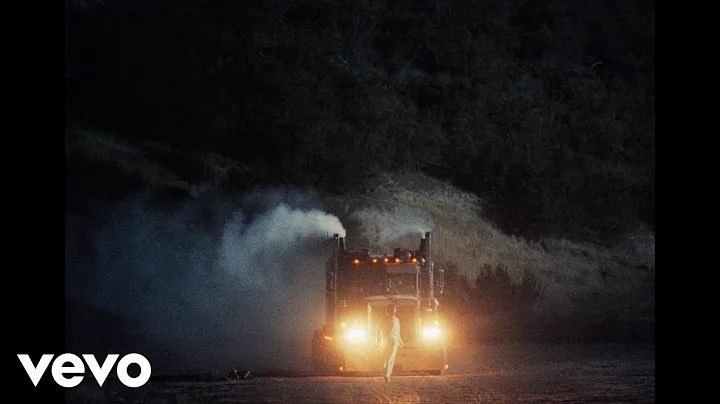
On YouTube, the video likely targets a specific demographic: men aged 18-34, predominantly from rural or suburban areas in the American South and Midwest. The algorithm favors high watch time and engagement, so the video is designed to be rewatchable — the hook is front-loaded, the visuals are energetic (expect shots of trucks, bonfires, and the band performing in a field), and the comments section becomes a community hub. The band probably uses YouTube’s Community tab to poll fans on setlists or share behind-the-scenes content, fostering a sense of ownership.
From a business perspective, this track fits into the broader "hick-hop" ecosystem, which has seen steady growth on streaming platforms. While it won’t crack the Billboard Hot 100, it can easily amass millions of streams within its niche. The key metric here is not chart position but conversion rate: how many listeners become subscribers, and how many subscribers become ticket buyers. Moonshine Bandits have mastered this funnel, and "BMF" is the latest entry in a catalog designed to fuel it.
Cultural Impact
"BMF" arrives at a time when outlaw country and genre-blending are enjoying a renaissance. Artists like Jelly Roll, Hardy, and Bailey Zimmerman have proven that there’s a massive audience for music that sounds like it was made in a garage, not a glass-walled studio. The Moonshine Bandits tap into this same vein, but with a harder edge that appeals to listeners who find mainstream country too polished.
The song’s title, "BMF" (likely standing for "Bad Mother F***er" or a similar phrase), is a deliberate provocation — it signals that this music is for outcasts, rebels, and people who don’t fit the mold. This identity is crucial for building a tribe. On TikTok, short clips of the chorus or the truck-driving visuals could easily go viral, particularly in the "#countryboy" or "#redneck" hashtags. The band’s aesthetic — beard, flannel, sunglasses, and a defiant scowl — is instantly recognizable and easily imitable, which is a goldmine for user-generated content.
Critically, the track won’t win awards, but it doesn’t need to. Its impact is measured in the number of fans who post videos of themselves blasting it from their truck speakers, or who comment "This is the only real country left." In an era where authenticity is the most valuable currency, Moonshine Bandits are rich.
For Music Creators
So, what can you learn from "BMF"? First, embrace your limitations. The production isn’t pristine, but that roughness is part of the charm. If you’re recording in a bedroom or a barn, lean into that — use the natural reverb of the room, don’t over-polish the vocals, and let the imperfections tell a story. Listeners can smell a fake from a mile away.
Second, understand your audience. Moonshine Bandits know exactly who they’re making music for: blue-collar, independent-minded people who feel alienated by both mainstream country and pop culture. Your niche might be different, but the principle is the same. Create content that speaks directly to a specific group’s values, language, and daily life. Use YouTube Analytics to see where your viewers are, what they watch, and when they’re online. Then, tailor your upload schedule and thumbnail style to match.
Third, master the hook. The chorus of "BMF" is simple, repetitive, and designed to be shouted. Whether you’re making a song or a video essay, the first 15 seconds need to grab attention. Use a striking visual, a bold statement, or a memorable melody. On YouTube, click-through rate is king, but watch time is the queen that keeps the algorithm happy.
Finally, build a community, not just an audience. Respond to comments, ask questions, and create content that invites participation. Consider starting a Discord server or a Patreon where your most dedicated fans can get exclusive access. Moonshine Bandits succeed because their fans feel like they’re part of the crew, not just customers.
Verdict
Is "BMF" a game-changer? No. But it’s a perfect example of how independent artists can thrive by knowing their lane and driving it hard. The song is a solid addition to the hick-hop canon, and the video will likely perform well within its target demographic. For creators, the real lesson is in the strategy: authenticity over polish, community over reach, and consistency over virality. If you can bottle even half of that, you’re on the right track.