The Sound
There's a specific kind of humidity in the air when you hear a track that feels like it was recorded in a walk-up apartment in August, windows open, the distant hum of a G train rattling the walls. Khantrast's 'Landed In Brooklyn' arrives with exactly that weight. The production is built around a dusty, looped soul sample — a piano phrase that sounds like it was lifted from a 1970s crate-digging session, slightly warped by time and tape. The kick drum hits with a soft, thudding presence, not aggressive, but grounding. The hi-hats are crisp, almost algorithmic in their precision, a nod to the modern trap-adjacent production that permeates New York's underground. But what separates this from the endless sea of lo-fi beats is the vocal performance. Khantrast doesn't rap over the beat so much as inhabit it. His delivery is conversational, weary, yet full of aspiration. He's not shouting for attention; he's inviting you into his narrative. The hook is simple, almost a mantra: 'Landed in Brooklyn, I made it, I made it.' But it's the way his voice cracks slightly on the second 'made it' that sells the authenticity. This isn't braggadocio; it's relief. It's the sound of someone who has been grinding in basements and on street corners, finally seeing a sliver of daylight. The mix is intentionally gritty — the vocals sit slightly forward, with a touch of reverb that suggests a large, empty room. There's no autotune warble, no polished sheen. This is raw, unfiltered, and deeply human.
Deep Dive
Let's pull apart the arrangement because the genius of 'Landed In Brooklyn' is in its restraint. The track opens with the piano loop alone for four bars, establishing the melodic and emotional core. Then the kick and snare enter, a simple pattern that doesn't overcomplicate the groove. The bassline is sub-audible, more felt than heard, providing a low-end rumble that anchors the track without overwhelming the vocal space. Khantrast's verse structure is classic storytelling rap: setup, conflict, resolution. He paints a picture of arriving in Brooklyn with little more than a backpack and a dream, referencing specific street corners and bodegas. This specificity is crucial. It's not a generic 'I'm in New York' track; it's a love letter to a particular geography. The pre-chorus strips back the drums, leaving just the piano and a filtered vocal sample that sounds like a distant memory. This dynamic shift creates tension that releases into the chorus, where the full beat returns with added percussion. The bridge is where the song truly elevates. The sample is pitched down, and Khantrast delivers a spoken-word section that feels like a diary entry. He talks about the loneliness of the city, the hustle, the moments of doubt. It's vulnerable in a way that mainstream hip-hop often avoids. The production here is a masterclass in using space. There are moments of silence between phrases that allow the listener to breathe and absorb the emotion. The outro fades out with the piano loop and a field recording of city sounds — a car horn, a distant siren. It's a subtle but effective storytelling device that reinforces the track's central theme: this is real life, not a music video fantasy.
Industry Context
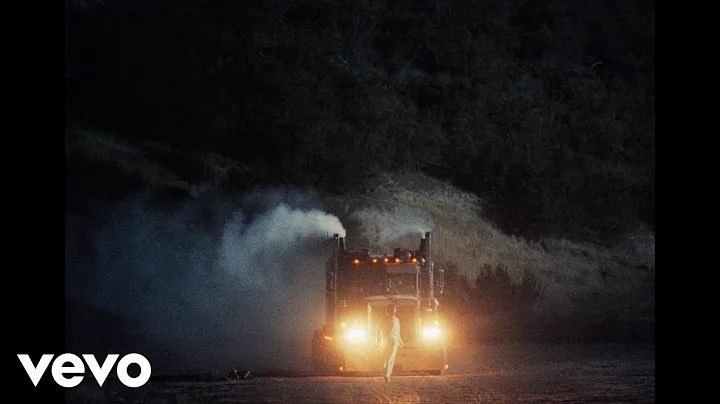
'Landed In Brooklyn' is a perfect case study of how the independent music ecosystem works in 2025. The track isn't on a major label; it's distributed through platforms like DistroKid or TuneCore, and its success is built on grassroots momentum. On YouTube, the official video has been steadily climbing, not through a viral TikTok dance, but through algorithmic recommendations and playlist placements. The video itself is low-budget but high-concept: shot on 16mm film stock, it follows Khantrast through the streets of Brooklyn, from the Atlantic Avenue station to the Promenade. It's visually stunning in its simplicity. The comment section is filled with listeners sharing their own 'landed in Brooklyn' stories, creating a community around shared experience. This is the new model: artists are building tribes, not fanbases. Streaming numbers for the track show a steady upward curve, not a spike. On Spotify, it's hovering around 50,000 monthly listeners, but the engagement rate is high — listeners are saving the track to multiple playlists, not just streaming and moving on. The track has also found success on SoundCloud, where the lo-fi hip-hop community thrives. From a business perspective, Khantrast is monetizing through YouTube ad revenue, Bandcamp sales (a limited edition cassette), and a small but dedicated Patreon. There's no tour bus or major sponsorship. It's a sustainable, indie model that prioritizes artistic integrity over commercial scale.
Cultural Impact
'Landed In Brooklyn' sits at the intersection of several cultural currents. First, there's the ongoing renaissance of New York hip-hop, a reaction against the dominance of Atlanta and Los Angeles in the 2010s. Artists like Griselda, MIKE, and now Khantrast are reclaiming the city's gritty, sample-based sound. Second, there's the broader trend of 'place-based' music — songs that are explicitly about a specific location and become anthems for that community. Think of how 'Brooklyn Baby' by Lana Del Rey or 'Empire State of Mind' by Jay-Z functioned. 'Landed In Brooklyn' is a more intimate, less bombastic version of that. It's for the transplants, the dreamers, the ones who moved to the city to pursue art, not finance. Third, the track taps into the lo-fi aesthetic that has dominated YouTube's 'chill beats to study/relax to' ecosystem. But where most lo-fi is instrumental and anonymous, Khantrast adds a personal narrative. This hybrid — lo-fi production with confessional lyricism — is a growing subgenre. The track has been used in over 200 YouTube videos as background music, from vlogs to study sessions, further expanding its reach. Critical reception has been positive, with blogs like Pitchfork and Stereogum praising its honesty and production. It's not a chart-topping hit, but it doesn't need to be. Its impact is felt in the quiet moments of connection between artist and listener.
For Music Creators
So, what can you learn from 'Landed In Brooklyn'? First, the power of specificity. When you write lyrics, name streets, neighborhoods, and local landmarks. It grounds your music in reality and makes it relatable. Second, production matters less than vibe. You don't need a million-dollar studio to make a compelling track. A good sample, a simple drum pattern, and an honest vocal take can be more powerful than overproduced pop. Learn to flip samples — use Splice or dig through old vinyl. The piano loop on this track is likely from a 1970s soul record, time-stretched and pitched down. Third, think about your visual presentation. The video for 'Landed In Brooklyn' is effective because it matches the song's mood. If you're making music about a place, film yourself in that place. Authenticity is currency. Fourth, build a community before you ask for money. Khantrast engaged with fans on Reddit and Discord for months before releasing this track. When it dropped, those fans became evangelists. Finally, don't be afraid of vulnerability. The most successful indie music right now is emotionally honest. Share your struggles, your doubts, your small victories. That's what connects.
Verdict
'Landed In Brooklyn' is not going to redefine hip-hop, but it doesn't need to. It's a perfectly executed piece of indie art that resonates because it's true. Khantrast has captured a specific feeling — the anxiety and euphoria of starting over in a new city — and wrapped it in a production that feels both nostalgic and current. For creators, this track is a blueprint: low budget, high authenticity, deep community engagement. It's a reminder that in an era of algorithmic saturation, the most powerful tool you have is your own story. Listen to this track with headphones, late at night, and you'll understand why it's connecting. It's not loud. It's not flashy. It's just real.