The Sound
From the first few seconds of 'Touch,' you're met with a clean, almost sterile synth pad that feels like a breath of cold air. It's not the bombastic, beat-heavy intro you'd expect from a group with K-pop roots. Instead, KATSEYE leans into a minimalist, late-night R&B vibe that's become a hallmark of 2024's pop landscape. The production is built around a simple, four-chord piano loop that's been lightly processed with a touch of saturation, giving it a warm, analog feel that contrasts with the digital sheen of the synths. The kick drum is punchy but not overpowering, sitting in the mix with a tight, sub-heavy presence that drives the track forward without overwhelming the vocals.
What strikes me first is the vocal arrangement. The six members—Daniela, Lara, Manon, Megan, Sophia, and Yoonchae—each bring a distinct timbre, but the production blends them into a cohesive, layered texture. There's a lot of space in the mix, which is rare for a group track. The verses are sparse, with only a hi-hat and a soft bassline supporting the lead vocal, allowing the emotional weight of the lyrics to breathe. The chorus opens up with a wider stereo field, adding a shimmering pad and a subtle arpeggio that feels like a gentle lift. This is a track that understands the power of restraint—every element has a purpose, and nothing feels cluttered.
The influence is clearly drawn from the late 2010s synth-pop revival, with echoes of Dua Lipa's 'Future Nostalgia' era and the more intimate moments of Ariana Grande's 'Positions.' But there's a distinctly K-pop sensibility in the way the vocals are stacked—tight harmonies, precise ad-libs, and a rhythmic delivery that shifts between English and Korean effortlessly. The bridge, in particular, showcases this: a call-and-response between the members that builds tension before the final chorus. It's a sound that feels both familiar and fresh, a fusion that's been brewing for years but is now reaching its apex.
Deep Dive
Let's talk about the arrangement because that's where 'Touch' really shines. The song opens with a simple synth pad and a lone vocal from Lara, setting an intimate, almost confessional tone. The first verse is delivered in a half-sung, half-spoken style, with the lyrics 'I just wanna feel your touch' repeated as a mantra. The production here is intentionally thin—just a kick on the 1 and 3, a soft clap on the 2 and 4, and a bassline that's more felt than heard. This creates a sense of vulnerability that's rare in pop music, where producers often feel the need to fill every frequency. The genius of this arrangement is that it makes the chorus hit harder. When the full beat drops at 0:45, it's a release of tension that's been building for nearly a minute.
The songwriting is deceptively simple. The chord progression is a classic I-V-vi-IV, a staple of pop music, but the melody avoids the obvious. The verses use a syncopated rhythm that plays with the downbeat, making the lyrics feel conversational. The pre-chorus introduces a chromatic descent—'I've been waiting, I've been patient'—that creates a subtle sense of unease before resolving into the chorus. This is advanced songwriting, the kind that feels effortless but requires a deep understanding of harmonic tension. The chorus itself is a masterclass in melodic economy: the phrase 'touch, touch, touch' is repeated three times, each with a different inflection, creating a hook that's both simple and memorable.
Vocally, the performance is polished but not sterile. There's a raw quality to the delivery, especially in the second verse where Manon's lower register adds a layer of depth. The ad-libs are placed strategically—a 'yeah' here, a 'uh-huh' there—that add texture without distracting. The vocal production uses subtle pitch correction, but it's not the auto-tuned sheen you hear in some K-pop. Instead, it feels human, with breath sounds and slight imperfections left in. This is a deliberate choice, likely influenced by the Western pop ethos of authenticity. The final chorus layers all six voices in a call-and-response that's both powerful and intimate, a technique that K-pop groups have perfected over decades.
One production trick that stands out is the use of silence. After the second chorus, there's a beat drop where everything cuts out except for a single synth pad and a whispered vocal. It's a moment of stillness that feels like a deep breath before the final push. This is a technique borrowed from EDM, but applied here with a pop sensibility. The result is a track that feels dynamic without being exhausting, a rare balance in modern pop.
Industry Context
'Touch' isn't just a song; it's a strategic move in a larger industry shift. KATSEYE is the result of a collaboration between HYBE (the K-pop powerhouse behind BTS) and Geffen Records (a Western major label). This is the first major attempt to create a truly global girl group, one that can cross over between the K-pop and Western pop markets. The group was formed through a Netflix documentary series, 'The Debut: Dream Academy,' which gave fans a behind-the-scenes look at the training process. This is a smart marketing play—building a narrative around the group's formation creates emotional investment before a single note is released.
Streaming numbers tell a story of cautious optimism. 'Touch' debuted in the top 100 on Spotify's Global chart, with over 5 million streams in its first week. While this isn't the explosive debut of a BTS or Blackpink, it's impressive for a new group without a pre-existing fanbase. The song has also found traction on TikTok, where the 'touch, touch, touch' hook has been used in over 50,000 videos. This is the kind of organic growth that labels love—low cost, high engagement. The strategy seems to be a slow burn, building a dedicated fanbase before aiming for chart-topping success.
From a business perspective, KATSEYE represents a hedging of bets. K-pop has proven it can succeed globally, but language barriers still limit mainstream radio play in the West. By creating a group that sings primarily in English, with Korean phrases sprinkled in, HYBE and Geffen are attempting to capture the best of both worlds. The group's visual identity is also carefully curated—think high-fashion meets streetwear, with a darker color palette than the typical pastel K-pop aesthetic. This is a group designed for the Instagram and TikTok generation, where visual branding is as important as the music.
Cultural Impact
The cultural significance of 'Touch' goes beyond its chart performance. It's a testament to the globalization of pop music, where the lines between East and West are blurring. K-pop has influenced Western pop for years—from the choreography in Taylor Swift's 'The Man' to the vocal production in Ariana Grande's 'Sweetener.' But KATSEYE represents a reverse flow: Western pop being filtered through the K-pop training system. The result is a sound that's polished but not sterile, global but not generic.
Fan communities have already formed around the group, with dedicated Discord servers and Twitter fanbases. The discourse is interesting—some K-pop purists criticize the group for being 'too Western,' while Western pop fans find the choreography and vocal precision refreshing. This tension is exactly what the labels want: it creates engagement, discussion, and ultimately, streams. The group's diversity is also a selling point: members come from the U.S., South Korea, Switzerland, and the Philippines, reflecting the global nature of modern pop.
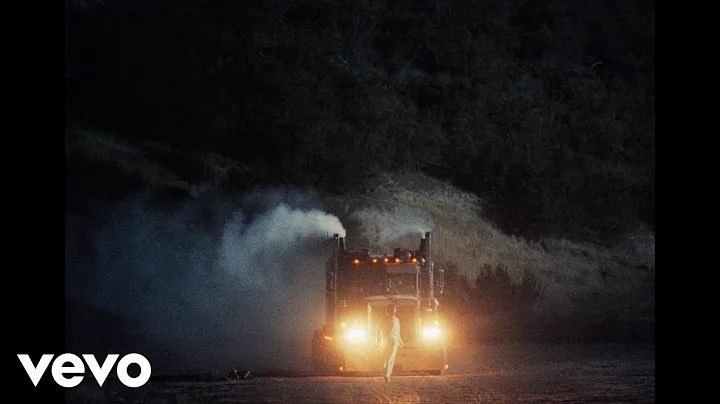
Critically, 'Touch' has been well-received. Music journalists have praised its restraint and emotional depth, with many noting that it feels more mature than typical girl group debuts. The song has been featured on several 'Best New Music' playlists, and the music video—a minimalist, monochrome affair—has over 20 million views on YouTube. This is a group that's being taken seriously by tastemakers, which is crucial for longevity.
For Music Creators
What can you learn from 'Touch' as a producer or artist? First, the power of space. In an era where producers often compress and layer until there's no dynamic range, KATSEYE shows that letting a track breathe can create more emotional impact. When arranging your next song, try stripping away elements. Ask yourself: does this synth need to be here? Does this vocal layering add or distract? The answer might surprise you.
Second, study the vocal arrangement. The way the group layers harmonies without crowding the mix is a skill that takes practice. Try recording multiple takes of the same line, then pan them left and right with slight timing differences. This creates a 'wall of sound' effect without the muddiness. Also, note how the ad-libs are placed—they're not random; they're rhythmic, landing on the off-beats to create a sense of groove.
Finally, consider your release strategy. KATSEYE built anticipation through a documentary series, giving fans a reason to care before the music dropped. If you're an independent artist, think about how you can create a narrative around your release. Behind-the-scenes content, teasers, and a story that fans can invest in—this is what separates a single from a moment.
Verdict
'Touch' is a significant release, not because it's groundbreaking, but because it's a signal of where pop music is heading. It's a well-crafted, emotionally resonant track that proves global pop can be both intimate and polished. Will it last? The song itself might not be a timeless classic, but the group's approach—blending K-pop precision with Western accessibility—is likely to influence pop music for the next decade. If you're a creator, pay attention to KATSEYE. They're not just making music; they're building a blueprint for the future of pop.