The Sound
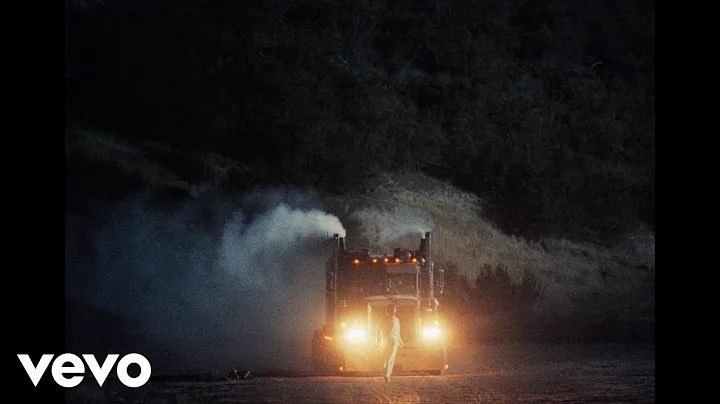
From the first few seconds of Josiah Queen's "demons," you're not just listening to a song—you're walking into a soundscape designed to feel like a battlefield. The track opens with the low rumble of a truck and the whisper of wind, grounding the listener in a gritty, almost cinematic reality. This isn't the polished, sterile production of a megachurch worship band. It's raw, intimate, and unsettling. A sparse, melancholic piano loop enters, built on a simple, repeating chord progression that feels both familiar and haunting. The production here is deliberately minimal, leaving space for the weight of the lyrics to land. There's no wall of synthesizers, no stadium-sized reverb on the drums. Instead, Queen's voice sits front and center, vulnerable and slightly strained, as if he's singing from the middle of that war zone he describes.
The sonic palette is rooted in the indie folk-pop tradition—think early Bon Iver or a less polished Sleeping at Last—but filtered through a lens of modern Christian worship. The verses are hushed, almost whispered confessions, while the chorus erupts into a cathartic, declarative shout. The dynamic range is the song's secret weapon. The verses feel like a prayer, the chorus like a proclamation. The arrangement builds slowly, adding layers of percussion and backing vocals, but it never feels overproduced. The crackle of fire in the outro and the sound of footsteps walking away are not just production flourishes; they are narrative devices, closing the song with a sense of resolution and peace. It's a masterclass in using sound design to tell a story, making the listener feel the journey from fear to deliverance.
Deep Dive
What makes "demons" work is its unflinching honesty. The songwriting is direct and conversational, avoiding the abstract metaphors that often plague Christian music. Lines like "Tell those demons run and hide / They tremble at the name of Jesus every time" are not poetic riddles; they are declarations of faith, delivered with the conviction of someone who has actually been in the fight. The structure is deceptively simple: two verses, a repeated chorus, a bridge, and an outro. But the genius lies in the pacing. The first verse establishes the internal conflict ("Does it feel just like a war zone in my mind"), the second verse shifts to the response ("He heard my heart and heard my cry"), and the bridge delivers the theological payoff ("I've been fully ransomed by the blood of Christ"). It's a classic three-act structure, compressed into a four-minute pop song.
Vocally, Queen employs a technique that is increasingly popular in modern worship: the "spoken-sung" delivery. He doesn't belt; he leans into the melody, letting the emotion carry the notes. This creates an intimacy that is rare in a genre often dominated by powerhouse vocalists. The chorus hook is simple and repeatable, designed for congregational singing but also for solo listening. The production choices are smart. The piano loop is slightly detuned, giving it an organic, slightly melancholic feel that contrasts with the triumphant lyrics. The percussion, when it enters, is a simple kick-and-snare pattern, never distracting from the vocal. The backing vocals in the chorus add a sense of community, as if a small congregation is joining in. The fade-out with the crackling fire and footsteps is a brilliant touch, providing a sensory resolution that the lyrics alone couldn't achieve. It's a production that respects the song's message, never overshadowing it.
Industry Context
"Demons" is a case study in how independent Christian artists can carve out a space in a market dominated by major labels like Bethel Music, Hillsong, and Capitol CMG. Josiah Queen is not signed to a major label; he's building his audience organically through YouTube and streaming platforms. The official music video, with its cinematic visuals and raw performance, is a key part of his strategy. It's not a high-budget production, but it feels authentic, which is more valuable in this space. The track's success on YouTube—garnering millions of views—shows that there is a hungry audience for music that feels real and unpolished, especially among younger Christians who may feel alienated by the polished, corporate feel of mainstream worship.
From a streaming perspective, "demons" fits neatly into curated playlists like "Today's Christian Hits" and "Worship Wednesdays" on Spotify. Its acoustic, folk-pop sound is a departure from the EDM-influenced worship that has dominated the charts in recent years, but it aligns with a growing trend toward "singer-songwriter worship"—artists like Pat Barrett, Brandon Lake, and the genre-bending sounds of artists like Jon Guerra. The song's clear hook and emotional arc make it highly shareable on TikTok, where short clips of the chorus can serve as a soundtrack for testimonies, prayer videos, or moments of vulnerability. The independent nature of the release also means Queen retains creative control and a larger share of the revenue, a model that is becoming more viable as distribution platforms like DistroKid and TuneCore lower the barriers to entry.
Cultural Impact
"Demons" arrives at a cultural moment where conversations about mental health and spiritual warfare are intersecting in new ways. The song's title and lyrics directly address the experience of internal struggle—"war zone in my mind"—a language that resonates with a generation that is increasingly open about anxiety, depression, and trauma. By framing these struggles in a Christian context, Queen offers a musical alternative to the secular pop that often deals with similar themes but without the spiritual resolution. The track is part of a broader movement within Christian music to engage with real, messy human experience, moving away from the "happy-clappy" praise music of the 2000s toward something more raw and honest.
The music video, with its stark visuals and focus on Queen's performance, reinforces this authenticity. It's not a slick, narrative-driven video; it's a document of a performance, which makes the emotional content feel immediate and real. This approach has been successful for other artists in the indie worship space, like The Porter's Gate or The Sing Team, who prioritize community and vulnerability over production value. The critical reception has been positive, with listeners praising the song's honesty and musicality. It's a track that feels both timeless and timely, a modern hymn for a generation seeking a faith that can hold the weight of their struggles.
For Music Creators
For producers and songwriters, "demons" offers several valuable lessons. First, the power of simplicity. The song's core is a piano loop and a vocal. Everything else is decoration. Don't be afraid to strip a track down to its essentials and let the emotion carry the weight. Second, the importance of dynamic contrast. The quiet verses make the loud chorus feel like a release. Plan your arrangement to create that emotional journey. Third, the use of sound design as storytelling. The ambient sounds at the beginning and end of the track are not random; they are narrative bookends. Think about how you can use field recordings or foley to enhance the world of your song.
From a career perspective, Queen's strategy is instructive. He's building a direct relationship with his audience through YouTube, bypassing the traditional gatekeepers. He's not waiting for a label to validate him; he's letting the music speak for itself. For independent artists, this means focusing on creating a strong visual identity and a consistent release schedule. The music video for "demons" is simple but effective—it shows the artist in a compelling environment, performing with conviction. It doesn't need a big budget; it needs authenticity. Finally, the song's success shows that there is a market for niche, faith-based content that doesn't compromise on artistic quality. If you have a specific message, don't water it down to appeal to everyone. Find your audience and speak directly to them.
Verdict
"Demons" is a significant track, not because it's breaking new musical ground, but because it executes a familiar formula with such sincerity and skill. It's a song that will likely have a long tail, finding its way into church services, personal playlists, and YouTube compilations for years to come. It's not a flash in the pan; it's a solid, well-crafted piece of music that speaks to a deep human need for hope in the midst of struggle. For fans of modern worship, indie folk, or anyone looking for music that grapples with faith and mental health, this is a must-listen. Josiah Queen is an artist to watch, and "demons" is his calling card.