The Core Idea
Here's a learning principle that will change how you think about viral content: the most shareable videos are those that tap into a shared emotional truth and then twist it with humor. Rahul Dua's stand-up comedy special on the Indian education system is a perfect case study. The topic itself is not new—every Indian has a story of rote learning, exam pressure, or a well-meaning but flawed teacher. But what makes this video trend is the way Dua transforms that collective frustration into laughter, creating a sense of catharsis and community.
The key insight is that educational content doesn't have to be dry. By using comedy as a vehicle, creators can address serious systemic issues without alienating viewers. This approach works because it respects the audience's intelligence while lowering their defenses. When we laugh at a problem, we signal that we understand it, and that shared understanding builds trust—a currency more valuable than any algorithm tweak.
Why is this topic trending right now? In 2026, the conversation around education reform in India has reached a fever pitch. New policies, competitive exams, and a job market that demands skills over degrees have left many feeling disillusioned. Satire provides a safe space to critique without being preachy. For YouTube creators, this is a goldmine: a topic that is evergreen, emotionally charged, and ripe for personalization.
Building Blocks
Let's break down the anatomy of a viral comedy video like this one into fundamental components. First, you need a universal premise. The Indian education system's flaws—emphasis on memorization, lack of practical skills, parental pressure—are so widespread that nearly every viewer can relate. This is your foundation. Without a relatable core, your humor falls flat.
Second, you need specific, personal examples. Dua doesn't just say "exams are hard." He tells a story about a particular exam, a particular teacher, a particular moment of absurdity. Specificity is the engine of comedy. It makes the abstract concrete and the universal feel intimate. Think of it as the difference between saying "traffic is bad" and "I was stuck behind a man trying to parallel park a camel."
Third, you need a structure that builds tension and releases it. In stand-up, this is the classic setup-punchline rhythm. On YouTube, you have more time, so you can use a three-act structure: establish the problem (setup), escalate the frustration (conflict), and then subvert expectations with a twist or a laugh (resolution). Dua's video likely follows this pattern, moving from general complaints to specific absurdities to a final punchline that reframes the whole system.
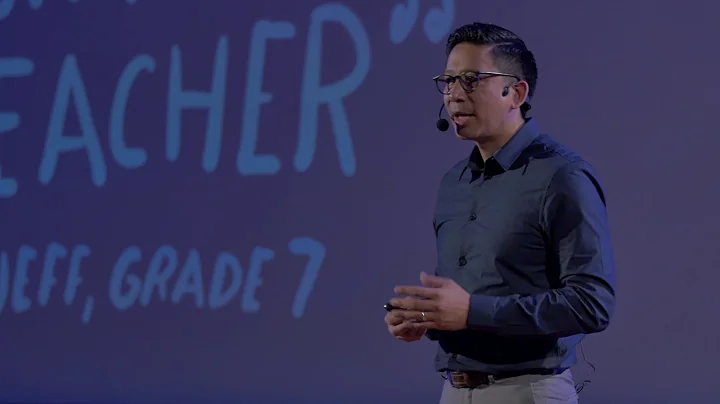
Finally, you need a delivery that matches the content. Comedy on YouTube isn't just about jokes; it's about energy, pacing, and visual engagement. Dua's stage presence, facial expressions, and timing are part of the package. For creators, this means you must practice your delivery, edit for rhythm, and use visual aids (like props or on-screen text) to emphasize key points.
Learning Framework
To master the art of viral comedy on educational topics, use a structured approach called the "Laugh-Learn Loop." This framework involves three stages: Research, Write, and Refine.
**Stage 1: Research.** Before you write a single joke, spend time understanding your topic deeply. Read articles, watch documentaries, and talk to people with firsthand experience. The goal is to find the truth behind the stereotype. For the Indian education system, this might mean looking at data on exam pass rates, interviewing students from different backgrounds, or reading policy critiques. The more you know, the more specific and original your humor will be.
**Stage 2: Write.** Use the "comic equation": Truth + Surprise = Laughter. Start by listing truths about the education system that bother you. Then, for each truth, ask: "What is the most absurd consequence of this?" or "What would happen if we took this to its logical extreme?" Write your jokes in a simple format: setup (the truth), then punchline (the surprise). For example, setup: "Indian schools teach us to memorize dates." Punchline: "So now I can tell you when the Battle of Plassey happened, but I can't tell you how to file my taxes."
**Stage 3: Refine.** Record yourself performing the material and watch it back. Use active recall: after watching, write down what you remember. If the joke is forgettable, it needs work. Then, practice deliberate repetition—say the joke aloud 10 times with different inflections. This builds muscle memory and helps you find the perfect timing. Finally, test your material on a small audience (friends, online forums) and use their reactions to tweak your delivery.
Common Learning Traps
Even experienced creators fall into traps when making comedy about serious topics. The first trap is relying on stereotypes. It's easy to say "Indian parents want their kids to be doctors" and get a laugh, but that's lazy. The audience has heard it a hundred times. Instead, find a fresh angle—like the parent who wants their kid to be a doctor but only because they think it's the only job with job security. Specificity beats generality every time.
The second trap is forgetting the emotional core. Comedy about the education system can easily become bitter or angry, which turns viewers off. The best satire comes from a place of love—you're laughing because you care. Dua's tone is likely playful, not hostile. He's saying, "This system is broken, but we're in it together." Keep your energy warm and inclusive, even when pointing out flaws.
The third trap is poor pacing. A common mistake is to cram too many jokes into a short time, overwhelming the audience. Or, conversely, to drag out a setup for too long, losing momentum. Use the "rule of three": for every minute of video, have one clear joke or idea. This gives viewers time to process and laugh before moving on. Watch your video with a stopwatch and note where you lose attention.
The fourth trap is ignoring visual storytelling. On YouTube, your face and body language are half the joke. If you're telling a story about a strict teacher, don't just say it—show it with a posture change, a facial expression, or a prop like a ruler. Use on-screen text to highlight punchlines or add a second layer of humor. Remember, you're competing with infinite scroll, so every element must earn its place.
Going Deeper
Once you've mastered the basics of comedy structure and delivery, you can explore advanced techniques to deepen your impact. One powerful approach is to weave in social commentary without being preachy. For example, you could discuss how the education system affects mental health, using humor to make a serious point. A joke like, "Our textbooks say 'stress is a part of life,' but they don't mention that it's also a part of every single exam" can make viewers laugh and think.
Another advanced concept is the use of "callbacks." Refer back to a joke from earlier in the video to create a sense of continuity and surprise. For example, if you joked about memorizing dates, later you could say, "And that's why I can tell you the exact date I stopped trusting the system—it was 1857, obviously." Callbacks reward attentive viewers and make your content feel cohesive.
You can also expand your topic by exploring related themes: the pressure of competitive exams like JEE or NEET, the role of coaching centers, the gap between school curriculum and real-world skills, or the impact of technology on learning. Each of these subtopics can be a standalone video, creating a series that builds an audience. For creators who want to go further, consider collaborating with educators or students to bring diverse perspectives.
Finally, think about the platform itself. YouTube's algorithm favors watch time and engagement. So structure your video to keep viewers watching: start with a hook (a surprising fact or a funny anecdote), use chapter markers to break up sections, and end with a call to action that invites comments (e.g., "What's the most absurd thing your teacher ever said?"). Engagement begets more views.
Your Learning Path
Ready to create your own viral comedy video on the Indian education system? Here's a clear roadmap:
1. **Start with research.** Spend two hours reading about current education policies, student experiences, and common complaints. Take notes on specific stories that stand out.
2. **Write 10 jokes** using the truth-plus-surprise formula. Choose the three that feel most original and personal.
3. **Structure your video** with a clear beginning (hook), middle (three jokes with transitions), and end (strong punchline or call to action).
4. **Practice your delivery** by recording yourself and watching the playback. Adjust timing, facial expressions, and pacing.
5. **Edit ruthlessly.** Cut any joke that doesn't land within the first two seconds. Use jump cuts to maintain energy.
6. **Post and engage.** Share your video, ask for feedback, and respond to comments. Use the insights to refine your next video.
Remember, the goal is not just to make people laugh, but to make them feel understood. When you combine humor with genuine insight, you create content that educates and entertains—and that's the recipe for a trend that lasts.