The Sound
From the first few bars, "Chờ Tới Khi Anh Về" establishes a sonic world that feels both intimate and expansive. The production by Kewtiie is built around a warm, slightly melancholic piano loop that anchors the entire track. This isn't a flashy, beat-heavy banger; it's a slow-burning, nocturnal piece that prioritizes atmosphere over aggression. The kick drum is present but pillowy, the hi-hats are crisp but not abrasive, and the bassline is a subtle, pulsating undercurrent rather than a dominant force. The result is a soundscape that feels like a late-night drive through a rain-slicked city—lonely, reflective, yet strangely comforting.
The vocal arrangement is where the track truly shines. HIEUTHUHAI's verses are delivered in a conversational, almost whispered tone, floating above the beat with a relaxed, melodic flow that draws heavily from contemporary R&B and hip-hop. When Hoàng Tôn enters, his voice provides a contrasting texture—smoother, more polished, and slightly more melancholic. Their interplay creates a dynamic tension: HIEUTHUHAI embodies the restless, yearning protagonist, while Hoàng Tôn represents the soothing, reassuring presence of home. This vocal dichotomy is the emotional engine of the song.
Influences are clearly drawn from the global wave of "sad boy" R&B—think Frank Ocean, The Weeknd's early work, and even the lo-fi hip-hop scene. But the track is unmistakably Vietnamese, not just in language but in its melodic sensibility. The phrasing, the vowel shapes, and the use of pentatonic inflections in the vocal melodies root it firmly in Vietnamese pop tradition, creating a hybrid that feels both familiar and fresh. It's a sound that's increasingly defining the cutting edge of V-pop.
Deep Dive
The songwriting in "Chờ Tới Khi Anh Về" is deceptively simple. On the surface, it's a love song about longing for a partner to come home. But the lyrics are rich with subtext and emotional nuance. The repeated phrase "Chờ tới khi anh về" ("Wait until I come home") serves as both a refrain and a promise, encapsulating the tension between absence and presence, work and intimacy. The verses paint vivid, relatable images: the empty bedroom, the forgotten phone calls, the desire to simply lie together in silence. It's this specificity that makes the song resonate deeply with its audience.
Arrangement-wise, the track is a masterclass in restraint. The intro is sparse: just piano and a soft pad, allowing the vocals to take center stage. The first verse builds slowly, adding layers of percussion and bass only after HIEUTHUHAI's opening lines. The chorus explodes with a fuller mix—the beat kicks in harder, the harmonies thicken, and the hook becomes anthemic. But even in its most energetic moments, the production never overwhelms. Every element is carefully placed to serve the song's emotional core. The bridge, where the instrumentation drops out almost entirely, leaving only a fragile piano line and Hoàng Tôn's vulnerable vocal, is a highlight—a moment of pure, unadorned feeling.
Kewtiie's production techniques are worth noting. There's a subtle use of sidechain compression on the pad and piano, creating a gentle "pumping" effect that syncs with the kick drum, giving the track a cohesive, breathing quality. The reverb on the vocals is generous but controlled, placing the singer in a large, empty room rather than a cavernous hall. The mix is warm and slightly saturated, evoking analog tape warmth in the digital domain. These choices contribute to the track's intimate, late-night vibe.
Vocally, HIEUTHUHAI demonstrates a strong command of dynamics. He moves effortlessly from a breathy, almost fragile delivery in the verses to a more assertive, confident tone in the chorus. His use of melisma is sparing but effective, adding emotional weight without becoming cliché. Hoàng Tôn's performance is more restrained, but his vocal tone provides a perfect foil—smoother, more legato, and emotionally resonant. The call-and-response sections between the two artists create a sense of dialogue, reinforcing the song's theme of connection despite distance.
Industry Context
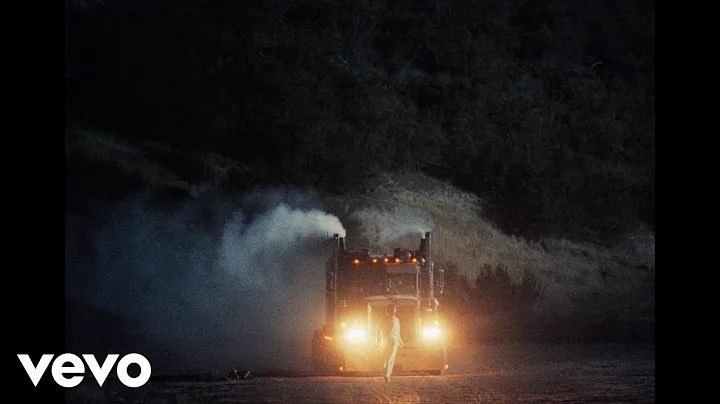
"Chờ Tới Khi Anh Về" arrives at a pivotal moment for Vietnamese pop music. The genre is experiencing a surge in global interest, driven by artists like HIEUTHUHAI who are blending local sensibilities with international production trends. The track's release strategy is telling: an official lyric video, not a high-budget music video. This is a savvy move in the current streaming economy, where visuals often take a backseat to audio quality and lyrical content. By focusing on the lyric video, the team ensures that the song's emotional narrative—its core selling point—is front and center.
Streaming numbers for the track have been strong, with millions of plays on platforms like Spotify and Zing MP3 within weeks of release. This success is partly due to HIEUTHUHAI's existing fanbase, built through previous hits and a strong social media presence, but also to the song's organic appeal. It's the kind of track that gets added to late-night playlists, study mixes, and romantic compilations—a versatile asset in the digital landscape.
From a label perspective, the track represents a smart investment in artist development. HIEUTHUHAI is positioned as a leading figure in the new wave of Vietnamese R&B/hip-hop, and this collaboration with Hoàng Tôn—a respected veteran—lends credibility and broadens appeal. The production by Kewtiie, a producer known for his atmospheric, genre-blending work, adds further prestige. It's a textbook example of how to build a track that satisfies both core fans and casual listeners.
Cultural Impact
"Chờ Tới Khi Anh Về" has become an anthem for a generation navigating the complexities of modern love and ambition. The song's themes of waiting, longing, and the tension between work and personal life resonate deeply with young Vietnamese professionals and students, many of whom are grappling with similar experiences. It's a soundtrack for the 9-to-5 grind, the late-night study session, and the lonely commute home.
The track has also found a home on TikTok, where users have created videos pairing the song with clips of themselves waiting for partners, friends, or even pets to return. The hashtag #ChờTớiKhiAnhVề has amassed millions of views, demonstrating the song's viral potential. This kind of user-generated content is invaluable in the modern music ecosystem, providing free marketing and fostering a sense of community around the track.
Critically, the song has been praised for its emotional honesty and production quality. Reviewers have noted its ability to blend Western R&B influences with Vietnamese musical traditions, creating something that feels both global and local. It's part of a broader trend in V-pop toward more introspective, sonically sophisticated music, moving away from the bubblegum pop that dominated the charts a decade ago.
For Music Creators
What can producers and artists learn from "Chờ Tới Khi Anh Về"? First, the power of simplicity. The track's arrangement is uncluttered, allowing each element to breathe. As a producer, resist the urge to over-layer. Let the core melody and vocal performance carry the song. Second, the importance of vocal dynamics. HIEUTHUHAI and Hoàng Tôn demonstrate that varying your delivery—from whisper to full voice—creates emotional peaks and valleys that keep listeners engaged.
For songwriters, the lesson is in specificity. The lyrics paint vivid, relatable images—the phone call, the empty bed, the promise of reunion. Generic love songs are forgettable; specific ones become anthems. Write about what you know, and trust that your personal experience will resonate with others.
Career-wise, this track illustrates the value of collaboration. Pairing an emerging artist with an established one can expand both audiences and add depth to the work. Also, consider the release strategy: a lyric video can be more effective than a flashy music video if the song's emotional core is strong. Invest in the music first; visuals are secondary.
Verdict
"Chờ Tới Khi Anh Về" is more than just a hit; it's a statement. It represents the maturation of Vietnamese R&B and hip-hop, proving that local artists can create music that stands shoulder-to-shoulder with international releases while remaining authentically Vietnamese. The production is top-notch, the songwriting is emotionally resonant, and the performances are compelling. It's a track that rewards repeat listens, revealing new details and emotional layers with each play.
Will it last? Yes. This is the kind of song that will age gracefully, becoming a touchstone for a generation. For fans of thoughtful, atmospheric R&B and hip-hop, this is essential listening. For music creators, it's a masterclass in restraint, emotional storytelling, and effective collaboration. HIEUTHUHAI, Hoàng Tôn, and Kewtiie have delivered something special—a track that feels both timeless and perfectly of its moment.