The Sound
There is a particular ache that lives in the space between a pedal steel guitar and a weathered voice, and it is this ache that defines the recent surge of "Blue Ridge Memories" country ballads on YouTube. The production here is deliberately unvarnished, leaning into a warmth that feels like a crackling fire on a damp autumn evening. Acoustic guitars are fingerpicked with a gentle, unhurried precision, their strings buzzing against frets in a way that modern digital production often sanitizes away. The bass is woody and round, not the sub-heavy thump of contemporary pop-country, but a walking line that feels like a heartbeat. And then there is the pedal steel—that weeping, swooning instrument that can turn a simple chord progression into a confession. These tracks rarely use drums in a driving way; when percussion appears, it is often a brushed snare or a soft kick, more felt than heard, like rain on a tin roof.
What makes this sonic palette so compelling is its deliberate rejection of loudness. In an era where streaming platforms reward compressed, in-your-face mixes, these ballads breathe. They have dynamic range—verses that pull you close, choruses that open up just slightly, never shouting. The vocal performances are equally restrained. There is no melisma, no vocal acrobatics; instead, the singers sound like they are telling you a secret, their voices cracking with authenticity. This is music that trusts its listener to lean in, to meet it halfway. The influences are clear: the storytelling of Hank Williams, the melancholic twang of Gram Parsons, the stark honesty of Emmylou Harris. But the production updates these references with a clarity that modern ears can appreciate—clean, but not sterile; nostalgic, but not dated.
Deep Dive
To understand why these ballads resonate, we have to look at the arrangement architecture. A typical "Blue Ridge Memories" track follows a verse-chorus-verse structure, but the genius is in what happens between the lines. The intro is often a simple guitar or piano motif that establishes the emotional temperature—say, a descending G major to E minor progression that feels like a sigh. The first verse enters without fanfare, just voice and guitar, placing the listener directly in the scene: a dusty road, a faded photograph, a porch swing. The chorus lifts, but not dramatically; it adds a harmony vocal and maybe a soft string pad, but the volume stays intimate. The second verse might bring in the pedal steel, playing a counter-melody that weaves around the vocal like a memory you can't shake.
Production techniques here are deceptively simple. The reverb is short and room-like, not the cavernous halls of arena country. This creates a sense of proximity—the singer is in the room with you. The EQ is tilted toward the midrange, where the emotional weight of vocals and acoustic instruments lives. High frequencies are rolled off to avoid harshness, and low frequencies are kept tight to avoid muddiness. One specific technique that stands out is the use of double-tracking on the chorus vocals, but done with a slight delay (around 20-30 milliseconds) to create a natural thickening without sounding like a digital effect. This is old-school, Abbey Road style, and it works because it feels human.
Songwriting in this space is deceptively difficult. The lyrics avoid abstraction; they are concrete, image-driven, and often narrative. A line like "the rust on that gate reminds me of your laugh" is not just poetic—it is a specific memory that invites the listener to supply their own. The chord progressions are mostly diatonic, sticking to I-IV-V with occasional minor vi chords for emotional depth. There is a reason these songs feel familiar: they are built on the harmonic language of folk and country that has been passed down for generations. But the best creators in this niche add a twist—a borrowed chord from the parallel minor, a sudden key change in the bridge—that keeps the listener engaged without breaking the spell.
Industry Context
The streaming numbers for classic country ballads on YouTube are quietly staggering. While pop-country acts like Morgan Wallen or Luke Combs dominate the charts, there is a parallel universe of channels dedicated to "Blue Ridge Country" or "Old Country Memories" that regularly pull in millions of views per video. These are not official artist channels; they are curated playlists and compilation videos, often featuring lesser-known independent artists or royalty-free tracks. The business model is simple: high watch time (these ballads are often 3-5 minutes long, and playlists can run for hours), strong ad revenue, and a loyal subscriber base that returns for the emotional comfort of the music.
From a label perspective, this trend represents an underserved niche. Major labels have been chasing streaming algorithms with short, hook-driven songs optimized for TikTok. But there is a growing audience—particularly among listeners aged 30-55—who crave music that slows down time. These listeners are not chasing trends; they are seeking a sonic refuge. The savvy independent creators have noticed this and are building channels that feel like audio sanctuaries. They use keywords like "relaxing country music," "bluegrass ballads," and "old country songs" to capture search traffic. The YouTube algorithm rewards these channels because they generate high retention and low bounce rates—people put on a 2-hour playlist and let it play.
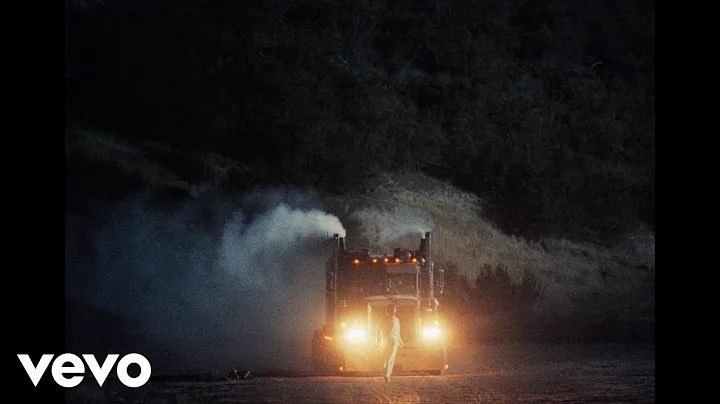
Marketing for this genre is refreshingly low-tech. There is no influencer outreach, no TikTok dance challenges. Instead, creators rely on evocative thumbnail images—a misty mountain, a lonely cabin, a vintage truck—and titles that promise emotional escape. "Blue Ridge Memories" is a perfect example: it is specific enough to feel authentic, but broad enough to appeal to anyone who has ever felt nostalgic for a place they have never been. The comments sections on these videos are filled with personal stories: people remembering grandparents, lost loves, simpler times. This is community-building through shared sentiment, not through hype.
Cultural Impact
The rise of classic country ballads on YouTube is not happening in a vacuum. It is part of a broader cultural shift toward slowness and authenticity in a digital landscape defined by speed and superficiality. We saw this with the resurgence of vinyl, the popularity of lo-fi hip-hop study beats, and now with the rediscovery of traditional country music. There is a fatigue with the hyper-produced, auto-tuned, algorithm-optimized pop that dominates radio. Listeners are hungry for music that sounds like it was made by humans, for humans, about human experiences.
This trend also reflects a geographic and cultural nostalgia. The "Blue Ridge" reference is not accidental—it evokes the Appalachian region, a part of America often romanticized for its resilience, its natural beauty, and its musical heritage. In an era of political division and urban alienation, these ballads offer a vision of a simpler, more rooted existence. They are not explicitly political, but they carry a quiet defiance: a refusal to be distracted, a commitment to storytelling that has been passed down through generations.
Critically, this music has been embraced by both traditional country purists and younger listeners discovering the genre for the first time. On Reddit and YouTube comments, you see 60-year-olds sharing memories alongside 20-year-olds who say, "I didn't know country could sound like this." This cross-generational appeal is rare and valuable. It suggests that the trend has staying power, that it is not just a passing fad but a genuine reconnection with a musical tradition that was in danger of being forgotten.
For Music Creators
For producers and artists looking to capitalize on this trend, the lessons are actionable. First, invest in acoustic instrumentation. You do not need a full band; a single guitar, a good voice, and a room with natural reverb can be enough. Focus on capturing a performance, not building a production. Record in a space that sounds live, not dead. Use ribbon microphones or large-diaphragm condensers that add warmth. If you are working in a DAW, avoid over-processing. A little tape saturation, a touch of compression, and a gentle high-pass filter are often all you need.
Second, study the songwriting. Write from a specific memory or place. Use concrete details: the color of a truck, the smell of rain on hay, the sound of a screen door slamming. Avoid clichés like "broken heart" or "whiskey bottle" unless you can subvert them. The best ballads in this genre feel like they could only have been written by one person, about one moment. That specificity is what makes them universal.
Third, think about your YouTube strategy. Create long-form playlist videos (1-3 hours) that group your tracks with similar-sounding songs from other artists. Use a consistent visual aesthetic—slow pans of mountain landscapes, old photographs, or simple typography over a static image. Optimize your titles and descriptions for search: include phrases like "relaxing country music for sleep," "old country ballads," or "acoustic bluegrass mix." Engage with your commenters; this audience craves connection. And do not be afraid to release music independently. The major labels are not looking at this space, which means the creators who move now can own it.
Verdict
Is this trend significant? Absolutely. It represents a genuine shift in listener behavior—a move away from the disposable and toward the durable. These ballads are not going to dominate the Billboard Hot 100, but they do not need to. They are building a sustainable ecosystem on YouTube, one that rewards quality, consistency, and emotional truth. For creators, this is a rare opportunity: a niche with high engagement, low competition, and a loyal audience that is hungry for more. If you can write a song that sounds like a memory, and present it with the respect it deserves, you might just find your music becoming part of someone's "Blue Ridge Memories"—and that is a legacy worth chasing.
Who should listen? Anyone who believes that music can still be a sanctuary. Anyone who misses the sound of a real room, a real voice, a real story. And anyone who wants to understand where the next wave of independent music is heading. The answer is not forward—it is backward, into the hills, where the ballads are waiting.