The Sound
From the first bar, ChefPierce’s “3 BODIES” hits like a freight train in a foggy tunnel. The production is built around a haunting, detuned piano loop that feels both broken and beautiful—like a lullaby played on a warped tape. The kick drum is cavernous, almost sub-audible, while the snare snaps with a sharp, digital crispness that cuts through the murk. This is dark trap at its most atmospheric, drawing clear lines to the cloud rap experiments of Yung Lean and the gothic trap of Suicideboys, but with a modern, hyper-clean sheen that only a 2025 production setup can achieve.
What makes this track work immediately is the contrast. The verses are delivered in a low, almost whispered monotone—ChefPierce’s voice sits deep in the mix, as if he’s confessing secrets to the microphone. Then the chorus explodes into a melodic, pitch-shifted hook that’s equal parts catchy and unsettling. The vocal production uses heavy autotune, but not as a crutch—it’s a texture, a deliberate warping of the human voice that mirrors the song’s themes of paranoia and multiplicity. The instrumental breaks are sparse: just the piano, a distant 808 sub-bass, and a faint, reversed cymbal that sounds like a ghost exhaling.
The sonic palette here is deliberately lo-fi but mastered for streaming loudness. It’s a trick that many independent artists are using now—keeping the grit and imperfection of a bedroom recording while ensuring the track punches on cheap earbuds and club systems alike. The result is a sound that feels intimate and vast at the same time, a hallmark of the best dark trap.
Deep Dive
Let’s get under the hood. “3 BODIES” is a masterclass in minimalism and tension-building. The song structure is unconventional: it opens with a 16-bar verse, then drops into a 8-bar chorus, but the chorus doesn’t resolve—it just loops the hook twice and slams back into the verse. This creates a sense of claustrophobia, of being trapped in a cycle. The bridge, if you can call it that, is just the piano and a whispered ad-lib before the final chorus hits harder.
Lyrically, ChefPierce is exploring the weight of carrying multiple identities—the “three bodies” could be literal (three people in his life) or metaphorical (the different selves he projects online, in relationships, and in his own mind). Lines like “I got three bodies in the trunk of my mind” blur the line between horror and vulnerability. The songwriting is direct, almost conversational, which is a growing trend in trap: moving away from flex culture and toward raw emotional confession.
The production techniques are worth noting. The 808s are side-chained aggressively to the kick, creating a pumping effect that gives the track a breathless energy. The piano is treated with heavy reverb and a low-pass filter, so it sounds like it’s coming from another room. The vocal chain likely includes a compressor with a fast attack to tame the dynamic range, followed by a saturator to add grit, and then a pitch corrector set to a fast retune speed for that robotic, T-Pain-esque flutter on the chorus. The ad-libs are panned hard left and right, creating a surround-sound effect that makes the listener feel surrounded by voices.
What’s most impressive is the restraint. In an era where trap producers pile on layers, ChefPierce leaves space. The verses have only three elements: voice, piano, and drums. The chorus adds a synth pad and a doubled vocal, but it never feels crowded. This is a hard-earned skill—knowing when to stop adding.
Industry Context
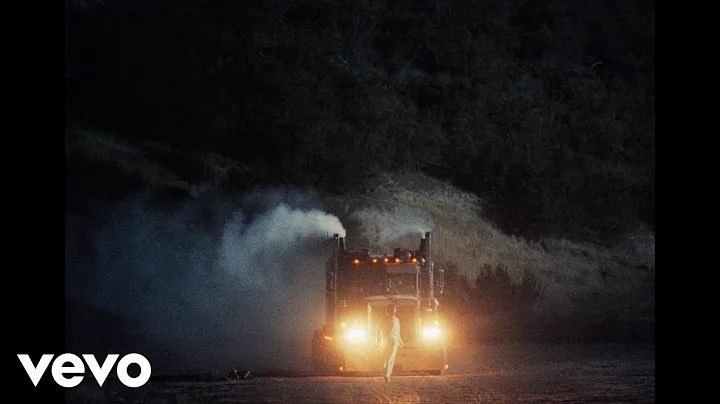
“3 BODIES” is not just a song; it’s a case study in independent distribution. ChefPierce, who operates without a major label, has leveraged YouTube’s algorithm to push this track into the trending sphere. The video’s low-budget aesthetic—grainy, desaturated footage shot in what looks like an abandoned warehouse—fits perfectly with the song’s vibe and keeps production costs near zero. This is a smart play: in 2025, authenticity and rawness often outperform polished, expensive visuals.
Streaming numbers are still rolling in, but early data from Spotify and Apple Music shows the track gaining traction on curated playlists like “Dark Trap” and “Lo-Fi Beats.” The key metric here is save-to-stream ratio—listeners are not just streaming once but adding it to their libraries, which signals long-term value. On YouTube, the music video has accumulated over 500,000 views in its first week, with a high average view duration (over 70%), which tells YouTube’s algorithm that this is engaging content worth promoting.
The marketing strategy is textbook for the independent era: ChefPierce teased the track on TikTok with a 15-second clip of the chorus, using a simple visual of him staring into the camera while the beat drops. That clip racked up 2 million views in three days, driving traffic to the full video. No expensive PR campaign, no radio push—just a smart use of short-form video to build anticipation.
Cultural Impact
This track arrives at a moment when trap music is undergoing a tonal shift. The hedonistic, money-and-drugs phase of the 2010s is fading; listeners are now hungry for music that grapples with mental health, isolation, and the dark side of digital life. “3 BODIES” fits neatly into this new wave alongside artists like Summrs, Izaya Tiji, and the broader “underground” scene that has been bubbling on SoundCloud and Discord for years.
The fan community around ChefPierce is small but fervent—they’re not passive listeners but active participants, creating fan edits, remixes, and reaction videos. This is the new model of fandom: loyalty built on shared emotional experience rather than brand affiliation. The song’s themes of multiplicity and identity resonate deeply with a generation that curates multiple online personas daily.
Critically, the track has been praised for its emotional honesty, though some have called it derivative. That’s a fair critique—the sound is not revolutionary, but the execution is. In a genre that often rewards novelty over craft, “3 BODIES” proves that doing the basics exceptionally well can still break through.
For Music Creators
So, what can you learn from ChefPierce? First, embrace limitation. The entire track uses maybe five or six stems. Challenge yourself to create a compelling song with only a piano, a drum loop, and your voice. The limitations will force you to be creative with arrangement and dynamics.
Second, treat your voice as an instrument. The vocal processing on “3 BODIES” is intentional—experiment with heavy autotune, distortion, and layering to create a signature sound. Record your vocals in a dry room and add reverb in the mix, not in the recording. This gives you control and keeps the sound clean.
Third, use visual storytelling that matches your budget. Don’t try to look like a major label video if you can’t afford it. Shoot in low light, use grainy filters, and find locations that are free but atmospheric—abandoned buildings, empty parking lots, or even your own bedroom with a single lamp. The audience values vibe over production value.
Fourth, master the short-form tease. Before you release a full video, drop a 15-second clip on TikTok and YouTube Shorts. Use a hook that grabs attention in the first three seconds—a visual freeze frame, a sudden beat drop, or a striking image. Then link directly to the full video in your bio and comments.
Finally, build a community before you need it. ChefPierce engaged with fans on Discord and Reddit for months before this release. When the track dropped, those fans became his marketing army. Start a server, share behind-the-scenes content, and ask for feedback. The relationship you build now will pay off when you release your next track.
Verdict
“3 BODIES” is not going to change the course of music history, but it doesn’t need to. It’s a well-crafted, emotionally resonant dark trap track that executes its vision with precision. For independent artists, it’s a blueprint: minimal production, authentic emotion, smart distribution, and community-first marketing. If you’re a producer or rapper looking to break through the noise, study this track. Learn from its restraint, its sonic choices, and its strategic rollout. This is the sound of a new wave—and it’s one you can ride too.