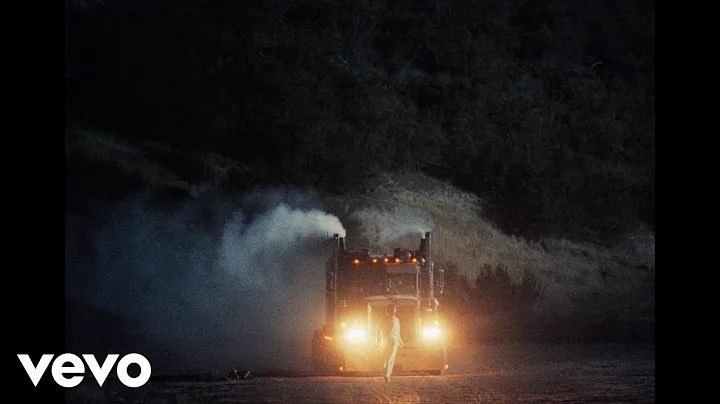
The Sound
Close your eyes and imagine the first time you felt a kick drum in your chest. Not heard it—felt it. That visceral, physical connection is the entire raison d'être of the "bass boosted" genre, and the 2026 iteration of this trend is louder, cleaner, and more surgically precise than ever. The sonic signature is unmistakable: sub-bass frequencies that rattle rearview mirrors, kick drums that hit like a punch from a heavyweight, and synth pads that seem to breathe and expand in the car's cabin. This isn't background music; it's a full-body experience.
The production palette in these tracks is surprisingly minimalist. There's no room for complex melodic interplay or intricate polyrhythms—those would only muddy the low-end clarity. Instead, the arrangement is built around a single, powerful bassline, often a sine wave with aggressive distortion layered underneath. The kick drum is the anchor, typically tuned to around 40-60 Hz, with a long decay that blends into the sub-bass. Hi-hats and snares are pushed back in the mix, barely present, serving only to provide rhythmic context. The result is a sound that feels both futuristic and primal, like the engine of a hypercar idling before launch.
Influences here are clear: the genre draws heavily from trap, dubstep, and the more aggressive corners of EDM, but it's stripped down to its bare essentials. Think Flosstradamus meets Skrillex's early work, but with the dynamics compressed to a razor-thin edge. The 2026 version adds a layer of modernism—more precise sidechain compression, cleaner distortion algorithms, and a focus on stereo widening that makes the bass feel like it's moving around your head. It's engineered for one purpose: to make your car's subwoofer work harder than it ever has before.
Deep Dive
Let's get into the technicals, because this is where the magic happens. The core of any great bass boosted track is the relationship between the kick drum and the sub-bass. Producers in this space use a technique called "frequency slotting"—they carve out a specific frequency range for the kick (usually 40-60 Hz) and another for the sustained sub-bass (60-100 Hz). The kick hits first, with a transient that's often enhanced using a transient shaper like SPL Transient Designer, and then the sub-bass swells in to fill the space. The sidechain compression is aggressive; the sub-bass ducks by 6-12 dB every time the kick hits, creating that pumping, breathing effect that's so satisfying.
But it's not just about volume. A common mistake is to simply boost the EQ on the low end, which leads to mud and distortion. Instead, skilled producers use multiband compression to control the dynamics of the bass. iZotope Ozone's Imager is a go-to tool for widening the stereo field of the sub-bass without losing phase coherence—crucial for car systems where a phasing issue can cancel out the bass entirely. The kick drum itself is often layered: a short, punchy click from a sample pack like KSHMR's, blended with a longer, boomy 808 kick. The click ensures the kick cuts through on smaller speakers (like phone speakers), while the boom provides the physical impact on a proper system.
Vocals, if they're used at all, are treated as texture rather than melody. They're heavily processed—pitched down, formant-shifted, and drenched in reverb with a short decay. The vocal sits in the mid-range, acting as a counterpoint to the low-end assault. In many of the 2026 tracks, you'll hear a spoken word sample or a chopped vocal hook that repeats every four bars. It's not about lyrical content; it's about rhythmic punctuation. The arrangement follows a predictable but effective structure: intro (16 bars of just kick and hi-hats), build (sub-bass enters, tension increases), drop (full low-end, maximum energy), breakdown (filtered, stripped back), and then another drop. It's formulaic, but when executed with precision, it's incredibly effective.
Industry Context
This isn't a new phenomenon—bass boosted music has been a YouTube staple for over a decade. But the 2026 iteration is different because of how it's being consumed. The rise of high-fidelity car audio systems, especially in electric vehicles where the absence of engine noise allows for cleaner bass reproduction, has created a new market. Tesla owners, for example, are a huge audience for this content; they often search for "subwoofer test tracks" or "bass music for Tesla" to show off their sound systems. YouTube creators have noticed, and the algorithm rewards this specificity.
From a business perspective, the monetization strategy is straightforward but effective. These videos generate significant watch time because listeners often let the entire mix play through while driving. Average view durations can exceed 10 minutes, which is excellent for YouTube's algorithm. Revenue comes from pre-roll and mid-roll ads, but the real money is in affiliate marketing. Creators in this space frequently link to subwoofers, amplifiers, and car audio installation kits in their video descriptions. A single affiliate sale of a $500 subwoofer can net $50-100, and with thousands of views per video, that adds up fast.
There's also a growing trend of sponsored content from car audio brands. Companies like JL Audio, Rockford Fosgate, and Kicker are actively seeking out creators who can demonstrate their products' performance. A well-produced bass boosted video that features a specific subwoofer model can serve as a powerful advertisement. The key is authenticity—viewers can tell if the bass is artificially boosted, so creators who invest in high-quality recording equipment and transparently show their setup build trust. The independent creator ecosystem here is thriving; there's no major label involvement, which means lower overhead and higher margins for those who understand the niche.
Cultural Impact
The bass boosted car music trend is a fascinating cultural artifact. It represents a rejection of the streaming era's focus on convenience and passive listening. In a world of earbuds and compressed Spotify streams, this genre demands attention. It's music that requires a specific environment—a car with a good sound system—to be fully appreciated. This creates a sense of exclusivity and community. Online forums like r/CarAV and Facebook groups dedicated to car audio are filled with users sharing their favorite tracks and system configurations. The YouTube video becomes a shared reference point, a benchmark for what a good system can do.
TikTok has also played a role. Short clips of bass boosted tracks with visualizers showing the waveform pulsing have gone viral, often paired with car audio demonstration videos. The hashtag #bassboosted has billions of views, and the trend shows no signs of slowing. Critics might dismiss it as gimmicky or low-art, but that misses the point. This is functional music—it's designed to test and showcase hardware, much like a test tone or a frequency sweep. The cultural value lies in its utility and the community it builds around a shared hobby.
There's also a subtle rebellion here. As streaming services push toward lossy compression and mobile-first listening, the bass boosted community champions high-fidelity, lossless audio. Many of these tracks are available in FLAC or WAV format, and creators often encourage viewers to download the highest quality version. It's a small but meaningful stand against the commodification of sound. The genre is also surprisingly international; while it's huge in the US and UK, there are thriving scenes in Germany, Japan, and Brazil, each with their own flavor and production techniques.
For Music Creators
If you're a producer looking to break into this space, here's your roadmap. First, invest in monitoring. You cannot mix bass boosted music on laptop speakers or standard headphones. You need a subwoofer or at least a pair of open-back headphones with good low-end extension, like the Beyerdynamic DT 990 Pro. Second, learn the technical fundamentals: sidechain compression, multiband dynamics, and frequency slotting. There are dozens of tutorials on YouTube (ironically) that walk through these techniques step by step. Third, study the masters. Listen to tracks by creators like "Bass Boosted Beats" or "Car Bass Music" and analyze their arrangement and mixing choices.
Your creative differentiation should come from your sound design. While the structure is formulaic, the timbre of your bass can be unique. Experiment with different waveforms—saw waves for aggression, triangle waves for smoothness, or even FM synthesis for complexity. Layer a clean sine wave with a distorted version of the same note, then use EQ to blend them. The key is to make your bass sound "expensive"—clean, powerful, and detailed. Also, don't neglect the visual component. A simple waveform visualizer or a video of a car's subwoofer moving in slow motion can significantly boost engagement. The visual and the audio are symbiotic in this genre.
Finally, build a community. Engage with car audio forums, comment on other creators' videos, and be transparent about your gear and process. Your audience is technically savvy and will respect authenticity over flash. Consider creating a Patreon or membership tier where subscribers can download high-quality WAV files of your tracks. This direct-to-fan model bypasses streaming royalties entirely and gives you a sustainable income stream. The barrier to entry is low—you just need a DAW, a few plugins, and a willingness to obsess over low-end frequencies. The reward is a loyal, engaged audience that will stick with you as long as you keep delivering that chest-rattling bass.
Verdict
Is bass boosted car music a significant artistic movement? Not really, and that's okay. It's not trying to be. This is functional, utilitarian music designed for a specific purpose: to sound incredible on a high-end car audio system. But within that narrow lane, it's executed with remarkable skill and attention to detail. The best producers in this space are as technically proficient as any EDM or hip-hop producer, and their understanding of low-end frequency management is world-class.
Will it last? Absolutely. As long as people love cars, sound systems, and the feeling of bass in their bones, this genre will persist. It's a evergreen niche that adapts to new technology—electric cars, better subwoofers, more advanced DSPs. For creators, it's a reliable, low-competition space with clear monetization paths. For listeners, it's a guilty pleasure that delivers exactly what it promises. If you're a producer looking to flex your mixing muscles and build a dedicated audience, this is a genre worth exploring. Just make sure your neighbors are okay with it.