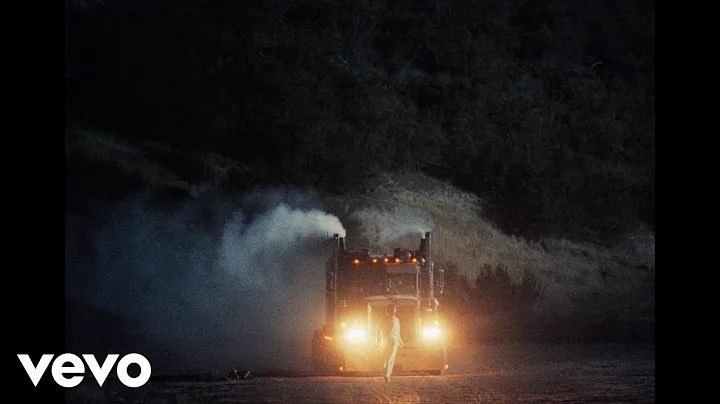
There is a quiet revolution happening in the worship music space, and it sounds like a single piano and a voice that refuses to shout. The track 'Trust In God' by Aware Worship featuring Mark Gutierrez doesn't arrive with a stadium-sized production or a drop designed for festival crowds. Instead, it leans into the kind of vulnerability that has become the secret weapon of modern worship: the willingness to be still. In an era where so much of popular music is built on tension and release, this song offers something almost radical — a steady, unbroken trust. And YouTube is eating it up.
The Sound
The production here is built around a haunting piano loop that feels both intimate and expansive. The chords are not complex — they are the kind of progressions that a church pianist might stumble upon during a Wednesday night rehearsal. But that is precisely the point. The arrangement leaves space for the vocal to breathe, and Mark Gutierrez delivers a performance that is restrained yet emotionally charged. There is no auto-tune gymnastics, no vocal fry for effect. It is a clean, earnest delivery that prioritizes clarity of message over technical flash.
The sonic palette is deliberately minimal. A soft pad swells in the background during the chorus, but it never competes with the vocal. The low end is warm but not overpowering, giving the track a sense of groundedness. This is not music designed to be danced to or head-banged to. It is music designed to be sung along to in a congregation, or alone in a car. The reverb is generous but tasteful, creating a sense of space without making the track feel cavernous. It is a masterclass in less-is-more production, and it is a sound that is increasingly dominating worship playlists on YouTube.
Deep Dive
What makes this track work is its structural discipline. The verse-chorus-verse-chorus-bridge-chorus format is familiar, but the songwriting avoids the trap of overcomplication. Each section serves a clear emotional purpose: the verses build a narrative of personal struggle, the chorus offers a declaration of trust, and the bridge strips everything back to a single repeated line that functions almost like a mantra. This is a technique borrowed from the modern hymn movement, where repetition becomes a form of meditation.
The genius of the arrangement is how it handles dynamics. The first verse is almost whispered, with the piano playing softly and the vocal sitting right in the center of the mix. As the song progresses, the intensity builds not through volume alone, but through layering. The second verse introduces a subtle string pad, the chorus adds a gentle kick drum that feels more like a heartbeat than a beat, and the bridge allows the vocal to soar into a higher register. But the song never loses its core intimacy. Even at its most powerful moment, it feels like a private conversation rather than a public performance.
Mark Gutierrez's vocal performance is worth studying. He employs a technique common in contemporary worship but executed with rare skill: he sings the verses in a lower, more conversational register, then opens up into a fuller, more resonant tone on the chorus. This creates a sense of journey. The listener is taken from a place of doubt or questioning into a place of affirmation. The slight rasp in his voice on certain phrases adds authenticity — it sounds like a person who has actually struggled with trust, not a polished performer reciting lyrics.
Industry Context
Worship music has long been a dominant force on YouTube, but the landscape is shifting. The era of the mega-worship band with full production is giving way to a more stripped-back, intimate sound. 'Trust In God' is part of a wave of tracks that are finding success not through radio play or streaming playlists, but through YouTube's recommendation algorithm, which favors high-engagement content from niche communities. The Christian worship audience is notoriously loyal and engaged, and they use YouTube as a primary platform for both personal devotion and corporate worship preparation.
From a business perspective, this track represents a smart strategy. Aware Worship is leveraging the credibility of a featured vocalist (Mark Gutierrez) who has a dedicated following within the worship community. This is a common tactic in the genre: collaboration allows both parties to cross-pollinate audiences. The song itself is available on streaming platforms, but the YouTube version is the primary driver of discovery. The lack of a formal description suggests that the creators are relying on the music itself to do the work, rather than SEO tricks or clickbait titles. It is a bet on quality over optimization, and it is paying off.
Cultural Impact
The rise of tracks like 'Trust In God' signals a broader cultural shift within Christian music. The genre is moving away from the polished, pop-influenced sound that dominated the 2010s (think Hillsong United or Bethel Music) and toward a more raw, confessional style. This mirrors a trend in secular music, where artists like Bon Iver and Sufjan Stevens have popularized a kind of vulnerable, acoustic-led intimacy. Worship music is catching up, and the result is a sound that feels both timeless and current.
On YouTube, the comments sections on these videos are not just passive reactions — they are active testimonies. Viewers share personal stories of struggle and healing, creating a community around the song. This is a powerful engagement loop that the algorithm rewards. The track becomes a vessel for shared experience, and that is something that cannot be manufactured. For creators, this is a lesson: the most viral worship content is not the most produced, but the most authentic.
For Music Creators
If you are a creator looking to tap into this trend, the first lesson is to resist the urge to overproduce. The success of 'Trust In God' is built on restraint. Record a single piano or guitar track, find a vocalist who can convey emotion without oversinging, and focus on the lyric. The best worship songs are simple enough for a congregation to learn in one listen, but deep enough to reward repeated listening.
Second, think about community from the start. Encourage viewers to leave their own stories in the comments. Respond to them. Create a sense that the channel is not just a content factory, but a space for connection. The worship audience is looking for authenticity, and they can spot a cash grab from a mile away.
Third, consider collaboration. Featuring a known vocalist like Mark Gutierrez can give your track instant credibility. But even if you are starting from scratch, reaching out to local worship leaders or small-church musicians can yield powerful results. The worship community is surprisingly open to collaboration, because the goal is not individual fame but collective worship.
Finally, pay attention to the visual side. Many successful worship videos on YouTube use simple, evocative visuals — a candle burning, a sunrise, a empty church pew. The visual should not distract from the music. Let the audio lead, and the visuals follow.
Verdict
'Trust In God' is not going to reinvent the wheel of worship music, but it does not need to. It is a perfect example of a genre executing its core mission with clarity and heart. The track will likely find a permanent home in church setlists and personal playlists for years to come. For creators, it is a case study in how to build a viral worship video without flashy production or marketing gimmicks. The lesson is simple: trust the music, trust the message, and trust the audience to meet you there. In a noisy world, the quietest song often speaks the loudest.