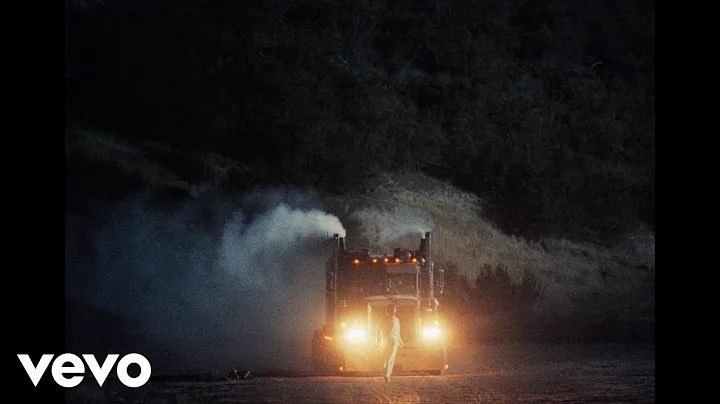
The first few seconds of Essam Sasa and Kimo El Deeb's "Kolby El Magnoon" ("My Crazy Dog") hit like a punch to the chest. A distorted 808 kick drum, pushed so hard it nearly clips, slams down in a lopsided rhythm. Then, a synth lead, nasal and frantic, circles like a trapped insect. This is mahraganat, the Egyptian street music that has evolved from wedding party chants to a full-blown cultural force, and this track is a prime example of its raw, unfiltered power. The production here is built around a deliberately lo-fi aesthetic, where grit is a feature, not a bug. The beat is a dense, percussive assault, layered with a simple, repeating melodic hook that burrows into your skull. It's music designed for maximum physical impact, for crowded cars and late-night street corners, not for pristine headphones. The vocal delivery, a rapid-fire, rhythmic chant, sits on top of the chaos, asserting dominance.
The Sound
Sonically, "Kolby El Magnoon" is a collision of worlds. The foundational template is mahraganat, which itself borrows heavily from Egyptian shaabi folk music, but here it's filtered through a trap lens. You hear the heavy, syncopated 808s that are the backbone of modern hip-hop and trap, but they're treated with a kind of aggressive distortion that's unique to the Cairo underground. The synth work is minimal but effective: a single, buzzy lead that plays a simple, repetitive melody, and a few ambient pads that create a sense of tension. There's no attempt at polish. The mix is compressed to the point of being squashed, giving everything a sense of urgency and claustrophobia. The vocal, a mixture of shouted verses and a more melodic, almost sung chorus, is pushed to the front, drenched in reverb and slapback delay. This is not music for the faint of heart. It's abrasive, confrontational, and unapologetically raw. The influences are clear: the call-and-response structures of traditional shaabi, the rhythmic complexity of Egyptian electronic music, and the swagger of American trap. But what makes it distinct is the sheer, unfiltered energy. This is music born from the streets, and it sounds like it.
What makes this track work is its refusal to be anything other than what it is. The production, credited to Kimo El Deeb, is a masterclass in controlled chaos. The beat doesn't build or drop in a conventional sense; it just starts, hits you, and keeps hitting. The arrangement is cyclical, with the chorus and verses blurring together in a continuous flow of energy. The genius of this arrangement is that it never gives the listener a moment to breathe. Every few bars, there's a new vocal hook or a percussive fill that resets the tension. The track is built around a single, infectious melodic phrase that repeats throughout, anchoring the chaos. The vocal performance by Essam Sasa is equally relentless. He switches between a rhythmic, almost spoken-word delivery and a more melodic, sing-song style, often within the same line. The lyrics, a mix of boasts about his crew, threats to his enemies, and declarations of love, are delivered with a conviction that makes them feel both personal and universal. The track's energy is its primary selling point, and it's a testament to the producers' understanding of how to manipulate rhythm and texture to create a visceral response.
Deep Dive
Diving deeper into the production, the use of distortion and clipping is deliberate. In the world of mahraganat, the "dirty" sound is a badge of honor. It's a sonic fingerprint that says, "This was made in a bedroom, on a laptop, with whatever plugins were available." This is not a limitation but a choice. The distorted 808s create a sense of weight and aggression that a clean mix could never achieve. The vocal effects, particularly the heavy reverb and delay, are used to create a sense of space, making the vocal sound like it's echoing through a large, empty room. The arrangement is deceptively simple: an intro, a verse, a chorus, a bridge, and an outro. But the way the track is structured, with the beat dropping out for a few bars only to come back even harder, creates a dynamic tension that keeps the listener engaged. The vocal performance is a key element. Sasa uses a technique common in mahraganat: the rapid-fire, rhythmic chanting that sits right on the beat. This is not singing in the traditional sense; it's a percussive instrument in its own right. The lyrics are full of slang and references that are specific to the Egyptian street, but the emotions—bravado, vulnerability, love, aggression—are universal. The call-and-response sections, where Sasa shouts a line and the beat seems to answer, are a direct link to the genre's roots in wedding and street performances.
The songwriting, while not complex in a traditional Western pop sense, is highly effective. The hooks are simple and memorable. The chorus, "Kolby el magnoon khatar" ("My crazy dog is dangerous"), is repeated with a rhythmic emphasis that makes it instantly catchy. The verses are a stream of consciousness, a series of boasts and observations that paint a picture of a life lived on the edge. The bridge, where the beat drops out and Sasa delivers a more melodic passage, offers a brief moment of respite before the final, explosive chorus. This is a structure that has been honed by years of live performance, where the goal is to keep the crowd moving. The production choices, from the distorted bass to the reverb-drenched vocals, are all made with the dance floor in mind. This is music that is felt as much as it is heard.
Industry Context
"Kolby El Magnoon" exists in a unique space within the Egyptian music industry. Mahraganat has long been a genre that exists outside the mainstream, distributed through YouTube, SoundCloud, and social media. The artists are often independent, operating without the backing of major labels. This track's success is a testament to the power of the direct-to-fan model. The official video, released on YouTube, is the primary distribution channel. There are no complex marketing campaigns or radio play strategies. The success is driven by shares, word-of-mouth, and the organic virality that comes from the music being played in taxis, at street stalls, and on mobile phones. The production quality, while raw, is a selling point. It signals authenticity. In an era of overproduced pop, there is a hunger for music that feels real and unvarnished. The track's performance on YouTube, measured in views and engagement, is the key metric. The comments section is a community, with fans analyzing lyrics, shouting out their neighborhoods, and debating the artists' skills. This is a grassroots movement, and "Kolby El Magnoon" is its latest anthem.
From a business perspective, the mahraganat scene is a fascinating case study in how to monetize a genre that exists outside the traditional system. The artists earn revenue through YouTube ad revenue, live performances, and sometimes, brand endorsements. The key is building a loyal fanbase that will attend shows and stream the music. The track's success is also a reflection of the broader trend of regional music going global. While mahraganat is primarily an Egyptian phenomenon, its influence can be heard in Arabic hip-hop and pop across the Middle East. The genre's raw energy and DIY ethos have inspired a new generation of artists who are bypassing traditional gatekeepers. For labels looking to sign mahraganat artists, the challenge is to maintain the genre's authenticity while providing the resources to reach a wider audience. So far, most attempts have been met with skepticism from fans who value the genre's underground credibility. "Kolby El Magnoon" is a reminder that in the current music landscape, the most powerful force is a dedicated community, not a marketing budget.
Cultural Impact
Culturally, "Kolby El Magnoon" is more than just a song; it's a document of a specific time and place. Mahraganat has its roots in the working-class neighborhoods of Cairo, and the lyrics reflect the realities of life there: the struggle for respect, the importance of loyalty, the constant threat of violence, and the search for love. The track's aggressive energy is a response to the frustrations of daily life. It's a soundtrack for defiance. The genre has faced its share of controversy, with some critics decrying its explicit lyrics and its association with street culture. But its popularity among young Egyptians is undeniable. It's the music of their generation, a fusion of traditional sounds and global influences that speaks directly to their experiences. The video, with its raw, handheld camera work and street-level setting, reinforces this authenticity. There are no glamorous sets or expensive special effects. It's just the artists, their crew, and the energy of the streets.
The track's viral potential is high, particularly on platforms like TikTok and Instagram, where its short, punchy hooks are perfect for dance challenges and meme content. The phrase "Kolby el magnoon" itself is ripe for use in countless contexts. The genre's influence can be seen in the work of other Egyptian artists, who are incorporating mahraganat elements into pop and hip-hop tracks. The critical reception among fans is overwhelmingly positive, with many praising the track's energy and the chemistry between the two artists. For outsiders, the track can be a challenging listen, but for those who understand the context, it's a powerful statement. It's a reminder that the most exciting music is often being made on the margins, far from the polished studios of the mainstream.
For Music Creators
For producers and artists, "Kolby El Magnoon" offers several key lessons. First, embrace your limitations. The lo-fi production style is not a weakness; it's a strength. The distorted 808s and compressed mix are part of the genre's identity. Don't try to polish it out. Instead, lean into the grit. Second, focus on energy and rhythm. The track's success is built on its relentless, driving beat. The arrangement is designed to keep the energy high from start to finish. Study how the track uses call-and-response, rhythmic chanting, and simple melodic hooks to create a sense of urgency. Third, understand your audience. Mahraganat is a community-driven genre. Engage with your fans on social media, respond to comments, and build a loyal following. The track's success is not just about the music; it's about the connection between the artists and their listeners.
From a songwriting perspective, the lesson is to keep it simple and direct. The hooks are easy to remember and repeat. The lyrics are conversational, using slang and references that resonate with the target audience. Don't overcomplicate the structure. A simple verse-chorus-verse format, with a bridge for contrast, is often the most effective. The use of repetition is key. The chorus is repeated multiple times, and the main melodic hook is woven throughout the track. This creates a sense of familiarity and makes the track easy to remember. Finally, the visual presentation is crucial. The video, while low-budget, is authentic and captures the energy of the music. For independent artists, a DIY video that showcases your personality and your environment can be more effective than a polished, generic production. The key is to be genuine.
Verdict
"Kolby El Magnoon" is a significant track in the Egyptian mahraganat scene. It's not a groundbreaking departure from the genre's formula, but it's a perfect execution of that formula. The energy is undeniable, the hooks are infectious, and the production is raw and powerful. It's a track that will resonate with fans of the genre and might even win over some newcomers who are looking for something different from the polished pop of the mainstream. Will it last? In the fast-paced world of YouTube and viral music, it's hard to say. But it's a strong addition to the canon of modern mahraganat. Who should listen? Anyone interested in the future of global pop music, producers looking for inspiration in lo-fi production, and fans of high-energy, aggressive music. This is a track that demands to be played loud.