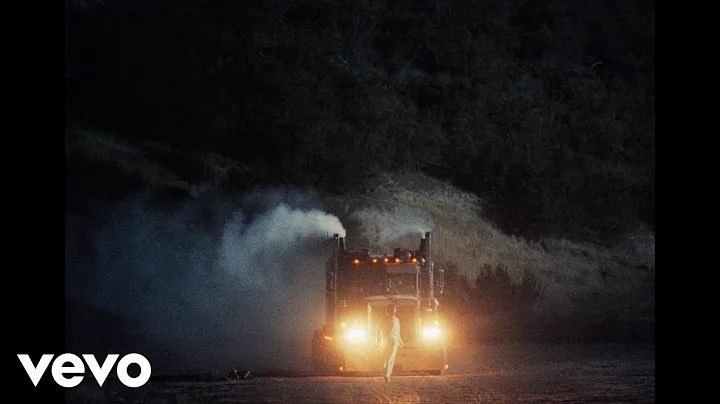
There’s a specific kind of ache that only comes through in the raw, unpolished corners of street music. You hear it in the crack of a voice, the slight stumble of a beat that feels more like a heartbeat than a grid. Essam Sasa’s “كليب وسط جراح خنقاني ( انا مظلوم مش ظالم )” — produced by Kemo El Deeb — is a masterclass in that ache. It’s not polished for radio. It’s not designed for a clean, sterile playlist. This is music that breathes the dust and noise of Cairo’s streets, a direct descendant of the Mahraganat (electro-shaabi) movement that has been the soundtrack to Egypt’s youth for over a decade. The track grabs you not with perfection, but with a visceral, unfiltered honesty that is increasingly rare in algorithm-optimized music.
The Sound
The sonic signature of this track is immediately identifiable to anyone who has followed the evolution of Egyptian street music. The production, helmed by Kemo El Deeb, is built on a foundation of heavy, distorted 808 kicks that punch through the mix with a deliberate, almost aggressive presence. The hi-hats are rapid, syncopated, and slightly off-kilter, creating a sense of urgency that mirrors the lyrical content. Above this rhythmic bed, a melancholic melodic loop — likely a sample or a synth pad with a minor-key inflection — weaves a tapestry of sorrow. The use of autotune on Essam Sasa’s voice is not a crutch but an instrument in itself. It’s aggressive, with a fast retune speed that creates that signature, almost robotic warble, a hallmark of the genre. This isn’t subtle T-Pain style; it’s a stylistic choice that amplifies the feeling of emotional dislocation. The track is a hybrid: the rhythmic propulsion of trap music meets the melodic sensibilities of traditional Arabic shaabi, filtered through the raw energy of a street party. It’s chaotic, but it’s a controlled chaos. The mix is purposely hot, clipping in places, which adds to the feeling of being overwhelmed by emotion. This is not a song that asks for your quiet contemplation; it demands your full, visceral attention.
Deep Dive
What makes “وسط جراح خنقاني” work is its structural simplicity married to emotional complexity. The songwriting follows a classic Mahraganat template: a repetitive, hooky chorus that is easy to remember and shout along to, interspersed with verses that tell a story of betrayal and pain. The opening lines, “وسط جراح خنقاني مش عارف اعيش تاني” (In the middle of wounds that suffocate me, I don’t know how to live anymore), immediately establish the central theme. Essam Sasa’s vocal performance is the centerpiece. He doesn’t sing in a traditional sense; he declaims, he shouts, he pleads. His delivery is raw, with a palpable strain in his voice that feels authentic. You can hear the emotion cracking through the autotune.
The arrangement is strategically sparse. The beat drops out at key moments, leaving just the vocal and a sparse synth pad, creating a sense of isolation before the full production crashes back in. This dynamic contrast is crucial. It mimics the emotional swings of the narrative — moments of quiet despair followed by explosive outbursts. The production by Kemo El Deeb shows a keen understanding of tension and release. The 808 slides are used sparingly but effectively, adding a sense of momentum. The track’s structure is verse-chorus-verse-chorus-bridge, but the bridge is where the magic happens. The tempo feels like it slows down slightly, the beat becomes more minimal, and Essam Sasa’s vocal becomes almost a whisper before building back to the final, cathartic chorus. This is a producer who knows how to build a narrative arc within a three-minute track. The lyrical content, while simple, is deeply relatable within its cultural context — themes of betrayal, loneliness, and the struggle for respect are universal in street music.
Industry Context
Mahraganat is a fascinating case study in the democratization of music. Born in the working-class neighborhoods of Cairo, it was initially dismissed by the mainstream industry as noise. Yet, it has grown to dominate the Egyptian music scene, largely independent of major label support. Artists like Essam Sasa operate in a parallel economy: they release tracks on YouTube and streaming platforms, build massive followings, and monetize through live performances and brand deals within their communities. This track is a clear example of that model. The video, with its high-energy visuals and direct address to the camera, is designed for virality on YouTube and social media. The track’s success isn’t measured by Billboard charts but by YouTube views, TikTok dances, and street-level buzz. The production style is cost-effective: a strong beat, a good vocal performance, and a video that captures the energy of the culture. This is the blueprint for independent success in the global south. The track’s emotional resonance is its marketing strategy. It speaks directly to a young, disenfranchised audience who see their own struggles reflected in the music. The comment sections on these videos are filled with personal stories, a testament to the deep connection the music fosters.
Cultural Impact
This track is more than just a song; it’s a cultural artifact. Mahraganat has evolved from being a niche subculture to a dominant force in Egyptian popular culture. It has influenced everything from pop music to film soundtracks. “وسط جراح خنقاني” fits squarely into the current wave of Mahraganat that is darker, more introspective, and more sonically influenced by global trap. The genre has always been about expressing the frustrations and joys of everyday life, but there’s a noticeable shift towards more melancholic themes in recent years. This track is a perfect example. It’s a cry of pain, but it’s also a statement of resilience. The line “أنا مظلوم مش ظالم” (I am the oppressed, not the oppressor) is a powerful declaration of victimhood and moral superiority that resonates deeply in a society where many feel unheard. The music serves as a communal space for processing collective emotions. The viral nature of these tracks on platforms like TikTok, where users create dances or lip-sync to the most emotional parts, shows how the music is being used for both entertainment and catharsis. The track’s cultural impact is organic, not manufactured. It is the sound of a generation speaking its truth, unfiltered and unapologetic.
For Music Creators
There are concrete lessons here for any producer or artist, especially those working in genre-blending or street-level music. First, the power of raw emotion. The production is not clean. There are no fancy plugins masking imperfections. The vocal is front and center, flaws and all. This authenticity is a superpower. In an age of over-produced, sterile pop, the grit of this track is a breath of fresh air. Don’t be afraid to let the emotion dictate the mix, even if it breaks some rules. Second, understand your audience. This track is made for a specific community that understands the cultural references, the slang, and the emotional landscape. It doesn’t try to appeal to everyone. Find your niche and speak its language. Third, the arrangement technique of dynamic contrast. The way Kemo El Deeb strips the beat back for the bridge is a masterclass in building tension. Study how the energy ebbs and flows. Fourth, the use of autotune as an artistic tool, not a corrective one. The aggressive autotune on Essam Sasa’s voice is a stylistic choice that defines the track’s identity. Experiment with extreme settings to find your own signature sound. Finally, the business model. This track was likely produced in a home studio, mixed on headphones, and uploaded directly to YouTube. It’s a testament to the fact that you don’t need a major label or a professional studio to create music that connects. Build your audience directly, one upload at a time.
Verdict
“وسط جراح خنقاني” is a significant track, not because it will redefine music theory, but because it perfectly captures a specific moment in time and culture. It is a raw, honest, and powerful piece of street music that speaks directly to its audience. It won’t be for everyone. The production is intentionally abrasive, the vocals are an acquired taste, and the cultural references may be lost on outsiders. But for those who understand the language of Mahraganat, this is a hit. It’s a track that will be played at weddings, in taxis, and on phone speakers across Egypt for the foreseeable future. Its significance lies in its authenticity. In a world of manufactured pop, Essam Sasa and Kemo El Deeb have created something that feels real. That is its power. This is the sound of a movement, and movements don’t need your permission to be important.