The Sound
From the first bar, 'Zombie Walkin'' grabs you by the throat with a sound that feels like a séance gone wrong. The production is built around a haunting, detuned piano loop that wobbles in and out of tune, layered over a sluggish trap beat that drags at around 70 BPM. The bass is sub-heavy, almost tactile, rumbling like something crawling from the grave. OUIJA MACC's vocals are delivered in a half-whispered, half-snarled cadence, drenched in reverb and subtle distortion, as if recorded in a crypt. The track's sonic palette is intentionally lo-fi—grainy, compressed, and raw—evoking the aesthetic of early Memphis rap (think Three 6 Mafia's 'Mystic Stylez') but filtered through a modern internet-era lens of horror-core and witch house.
What makes this sound immediately recognizable is its refusal to be clean. The hi-hats are slightly off-grid, the snare hits with a muffled thud instead of a sharp crack, and there's a constant layer of vinyl crackle and ambient noise. The arrangement is sparse: just the piano, a distant synth pad that sounds like a choir submerged in water, and a single, repeating vocal hook—'Zombie walkin', I'm dead inside'—that drills into your skull. This isn't music designed for clubs or radio; it's music for headphones at 3 AM, for scrolling through cursed imagery on YouTube. It's the sound of a subculture that fetishizes the macabre, drawing from horror film scores (John Carpenter's synth work comes to mind), dark ambient, and the distorted bass of phonk. The result is a track that feels both ancient and hyper-modern, a ghost in the machine of algorithmic content.
Deep Dive
Let's break down 'Zombie Walkin'' as a case study in minimalist production. The core loop is a simple i-VI-III-VII progression in a minor key—A minor, specifically—which is the bread and butter of dark, melancholic music. But the genius here is in the texture. The piano sample is likely sourced from a royalty-free library or a vintage keyboard, then detuned by about -12 cents to give it that warped, unsettling quality. The beat is a standard trap pattern (kick on the 1, snare on the 3, hi-hats on off-beats) but slowed to a crawl, creating a hypnotic, almost psychedelic groove. The vocal performance is deceptively simple: MACC uses a limited melodic range (barely an octave), relying on rhythmic delivery and timbre rather than pitch gymnastics. The doubling of the vocals on the hook, with one take slightly delayed, creates a chorus effect that feels like hearing voices.
Arrangement-wise, the track follows a verse-chorus structure but with a crucial twist: the chorus is essentially just the hook repeated four times, with no dynamic lift. This is a deliberate choice to maintain the trance-like state. The bridge is a breakdown where the beat drops out, leaving only the piano and a whispered verse, before the beat crashes back in with added layers—a distorted 808 slide, a reversed cymbal crash. The production techniques here are accessible: sidechain compression on the piano to the kick drum to create a pumping effect, heavy use of reverb (a hall reverb with a long decay, around 3 seconds) on the vocals, and a subtle bitcrusher on the master bus to lower the sample rate to 12-bit, giving it that grimy, PS1-era horror game feel. The mix is deliberately 'bad' in a way that feels intentional—the bass is slightly too loud, the vocals sit a bit behind the beat, and the high frequencies are rolled off. This is not a mistake; it's a stylistic fingerprint that signals authenticity to the niche audience.
From a songwriting perspective, the lyrics are minimal and repetitive, focusing on imagery of death, detachment, and occult symbolism. Lines like 'I see the other side / The spirits guide my stride' are vague enough to be universal but specific enough to evoke a mood. The hook is the key: it's a single, sticky phrase that's easy to remember and even easier to meme. This is a lesson in viral songwriting—simplicity over complexity, atmosphere over acrobatics. The track clocks in at 2:45, perfect for YouTube's algorithm, which favors shorter, high-retention content. Every second is intentional: no intro longer than four bars, no bridge that overstays its welcome, just a relentless, hypnotic groove that loops like a curse.
Industry Context
'Zombie Walkin'' sits at the intersection of several micro-trends that are exploding on YouTube and TikTok in 2024. Dark trap, horror-core, and 'phonk' have seen a massive resurgence, driven by platforms like TikTok where short clips of eerie, bass-heavy music accompany ghost story narrations, creepypasta readings, and horror gaming clips. The track's lack of a traditional music video (the official video likely features low-budget, DIY horror aesthetics—flickering lights, shadow play, occult symbols) is a strength, not a weakness. In an era where polished, high-budget productions feel corporate and sterile, the raw, lo-fi approach signals authenticity to Gen Z and Gen Alpha audiences who crave the 'real' over the manufactured.
From a business standpoint, OUIJA MACC is operating in the independent artist space, likely distributing through platforms like DistroKid or TuneCore to get on Spotify and Apple Music, but the real engagement is on YouTube. The video's description says 'No description available,' which is itself a strategy—it creates an air of mystery, encouraging viewers to speculate in the comments. This is a common tactic in the occult-adjacent music scene: limited information, cryptic imagery, and a focus on the 'vibe' rather than the artist's biography. Monetization comes from YouTube ad revenue (the video likely has high CPM due to its niche, engaged audience), Patreon subscriptions for early access or exclusive tracks, and merchandise—t-shirts with occult symbols, hoodies with the track title in gothic font. The track is also prime for sync licensing in horror podcasts, indie horror games, or YouTube horror channels, which is a growing revenue stream for dark music producers.
Algorithmically, this kind of content thrives because of high watch time and low competition. The niche is specific enough that YouTube's recommendation system can easily surface it to users who watch similar content—ghost hunting videos, horror game playthroughs, or other dark trap tracks. The comment section becomes a community hub, with users sharing their own occult experiences, creating fan art, or remixing the track. This is a textbook example of 'dark social' marketing: the content is so specific that it naturally creates a tribe of devoted fans who feel like they've discovered something secret. For an independent artist, this is gold—it builds a loyal, engaged audience without needing a major label's marketing budget.
Cultural Impact
'Zombie Walkin'' is more than a song; it's a cultural artifact of a generation that finds comfort in the macabre. The track taps into a broader fascination with the occult, conspiracy theories, and liminal spaces that has exploded on platforms like TikTok and YouTube. This isn't the goth subculture of the 80s or the emo scene of the 2000s; it's a digital-native aesthetic that blends internet memes, creepypasta, and genuine occult symbolism into a cohesive aesthetic. The track's success mirrors the rise of artists like Ghostemane, Scarlxrd, and $uicideboy$, who have built careers on the fusion of heavy metal, trap, and horror imagery. But 'Zombie Walkin'' is even more stripped-down, more accessible, and more meme-able.
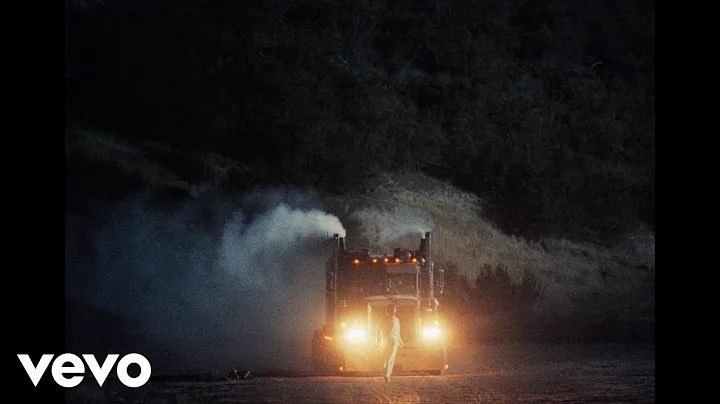
The cultural impact extends to fashion and visual art. The music video, likely shot on a phone or a low-end camera, uses cheap effects—static overlays, glitch transitions, and color grading that pushes everything toward desaturated blues and greens. This DIY visual language is now being replicated in fan edits, TikTok transitions, and even mainstream advertising that tries to capture the 'liminal horror' trend. The track's hook has already spawned a dance challenge on TikTok: a slow, zombie-like shuffle that's easy to learn and eerie to watch. This is user-generated content on steroids—the song becomes a vehicle for millions of mini-creations, each one a free advertisement.
Critically, the track will likely be dismissed by purists as derivative or gimmicky, but that misses the point. This music isn't trying to be innovative in a traditional sense; it's trying to create a specific emotional and aesthetic experience. The audience isn't looking for technical virtuosity; they're looking for atmosphere, for a soundtrack to their own dark fantasies. In that sense, 'Zombie Walkin'' is a perfect product of its time—a digital ghost, born from algorithms and collective unconscious, that haunts the periphery of internet culture.
For Music Creators
If you're a producer or artist looking to tap into this trend, here's your blueprint. First, the production: start with a simple minor key piano loop. Use free VSTs like Spitfire Audio's LABS (the 'Soft Piano' preset, detuned) or even a sample from Splice. Slow the tempo to 60-80 BPM. Program a trap beat but keep the hi-hats sparse—use triplet rolls only on the off-beats. The bass is crucial: use a sine wave 808 with a long decay, and pitch it down an octave for maximum sub-bass. Add layers of ambient noise—rain sounds, vinyl crackle, or a recording of a wind tunnel—to create depth. For vocals, record with a cheap microphone (SM58 or even a phone) to get that lo-fi texture. The key is to not overthink it; the imperfections are the feature.
Second, the visual aesthetic. Shoot your video in a dark room with a single flickering light source (a candle or a cheap LED strobe). Use a red or blue color grade. Add static overlays and glitch effects—DaVinci Resolve has free plugins for this, or use a site like Kapwing. Keep the imagery simple: a person walking slowly through a hallway, a Ouija board, a mirror. The goal is to be evocative, not explicit. Let the audience fill in the gaps. Post the video with a cryptic title and no description—let the comments become the narrative. Engage with every comment, building a sense of community around the mystery.
Third, the release strategy. Drop the track on a Friday evening, when the algorithm is most active. Post a 15-second teaser on TikTok and Instagram Reels with the hook and a simple visual. Encourage fans to use the sound for their own content. Create a playlist on YouTube with similar dark tracks, and share it in horror-themed subreddits and Discord servers. The goal is to seed the track in as many niche communities as possible. Remember, you're not trying to go viral with everyone; you're trying to go viral with the right people—the ones who will become superfans.
Verdict
'Zombie Walkin'' is a significant track, but not because it's a masterpiece of songwriting or production. Its significance lies in its perfect alignment with the current cultural and algorithmic moment. It's a blueprint for how to create viral content in a niche that's hungry for authenticity and atmosphere. Will it last? Probably not in the mainstream—this is a trend, not a movement. But for the artists and creators who understand the formula, it's a gateway to building a dedicated, cult-like following. If you're a producer looking for a new lane, study this track. Steal its ethos, not its notes. And if you're just a listener looking for something to soundtrack your 3 AM doom-scrolling, 'Zombie Walkin'' is exactly what you need. Just don't play it with the lights off.