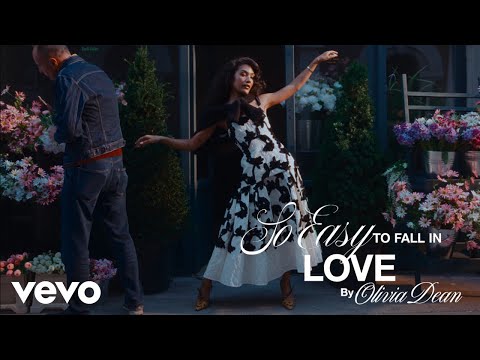
The Sound
There's a specific warmth to the production of late 90s and early 2000s R&B that modern digital mixes often struggle to replicate. It's the sound of analog synths, real basslines, and vocal chains running through Neve consoles. Tracks like Ne-Yo's "So Sick," Akon's "Lonely," or Usher's "Confessions Part II" share a sonic DNA: they're built on mid-tempo drum machines, lush chord pads, and a vocal performance that prioritizes soul over acrobatics. The snare hits are crisp but not harsh, the kick drum has a soft, pillowy thump, and the hi-hats are often pushed back in the mix, creating a pocket that feels intimate rather than aggressive.
What makes this era so distinct is the marriage of hip-hop's rhythmic sensibility with R&B's melodic focus. Producers like Timbaland, The-Dream, and Darkchild were experimenting with syncopated patterns that felt alien yet irresistible. The basslines didn't just follow the chords—they danced around them, creating a push-and-pull that made the listener lean in. There's also a heavy reliance on the Roland TR-808 and its descendants, but used with restraint. The 808 kick here isn't a weapon; it's a heartbeat. The result is a soundscape that feels luxurious, melancholic, and deeply human—a stark contrast to the often sterile, quantized feel of contemporary R&B.
The vocal production is equally significant. Reverb was used generously but tastefully, often with a short decay to keep the vocal present. Doubling and harmonizing were standard, but never to the point of losing the lead. Think of Mariah Carey's layered whispers or Rihanna's early ballads—the production serves the emotion, not the other way around. This is music that breathes, that leaves space for silence, and that trusts the listener to feel without being told how.
Deep Dive
Diving deeper into the arrangement, these tracks often follow a structure that feels like a journey rather than a formula. The intro is crucial—it sets the mood with a signature hook, a spoken line, or a distinctive sound effect. Take Chris Brown's "Run It!"—the opening synth riff is instantly recognizable, a call to the dancefloor. Or Ne-Yo's "Miss Independent," where the piano riff establishes the song's confident yet vulnerable tone before a single word is sung. This isn't accidental; it's a deliberate strategy to grab attention in a crowded radio landscape.
The songwriting itself is deceptively simple. Verses are conversational, often using everyday language to tell a story. The pre-chorus builds tension by raising the vocal register or adding a backing harmony, and the chorus delivers the payoff with a memorable, singable melody. But the genius lies in the bridge. In 2000s R&B, the bridge is often where the song's emotional climax occurs—a moment of vulnerability or confession. Usher's "Burn" has a bridge that strips away the production, leaving just his voice and a piano, before the beat crashes back in. That dynamic shift is what makes these songs timeless.
Harmonically, the progressions often borrow from jazz and gospel. The ii-V-I movement is common, but so are unexpected modulations that lift the chorus into a higher emotional register. The use of suspended chords and minor seventh chords adds a layer of sophistication that rewards repeated listens. The bassline is rarely just root notes; it often walks or syncopates, creating a counter-melody that interacts with the vocal. This is where the influence of Michael Jackson's "Off the Wall" era and Stevie Wonder's 70s work is most evident—these producers were students of the greats.
Lyrically, the themes are universal: love, heartbreak, desire, and self-reflection. But the delivery is what sets it apart. There's an earnestness that modern listeners crave in an age of ironic detachment. Lines like "I'm so sick of love songs" or "I need a girl" are direct, almost naive, but they land because the vocalist believes them. The production amplifies this sincerity—the reverb on the snare, the warmth of the bass, the slight tape saturation—all of it says: this is real, this matters.
Industry Context
From a business perspective, the resurgence of 2000s R&B on YouTube is a fascinating case study in catalog marketing. Major labels like Sony and Universal have realized that their back catalogs are goldmines. By licensing these tracks to YouTube compilations and official playlists, they generate passive income from ad revenue while exposing the music to a new generation. According to industry reports, catalog music now accounts for over 70% of all streaming consumption in the US, and R&B from the 90s and 2000s is a significant driver of that growth. YouTube's algorithm favors long watch time, and these throwback compilations—often running 30 minutes to an hour—keep viewers engaged, boosting their visibility in search results.
The strategy is twofold: first, these compilations serve as a discovery tool for Gen Z listeners who missed the original release. Second, they reinforce the cultural relevance of legacy artists, which helps drive ticket sales for reunion tours and merchandise. For example, Usher's 2023 Super Bowl halftime show saw a 500% spike in streams for his 2004 album "Confessions." The YouTube compilation trend is a direct pipeline to that kind of renewed interest.
For independent creators, the opportunity is in playlist curation. YouTube's Partner Program rewards channels that can consistently deliver high-watch-time content, and nostalgic R&B compilations are a proven niche. The key is to add value—whether through high-quality visuals, storytelling, or unique thematic curation. A channel that focuses on "R&B for Late Night Drives" or "90s Slow Jams for Studying" can build a loyal audience by targeting specific moods and contexts. The ad rates for music content are competitive, but with strategic SEO and consistent uploads, creators can earn a solid side income.
Cultural Impact
This trend is more than just a cash grab; it's a cultural conversation. Gen Z, who grew up with streaming and social media, are rediscovering the emotional depth of an era they only vaguely remember. TikTok has been a major catalyst—songs like "Breathe" by Blu Cantrell or "Let Me Love You" by Mario have gone viral through dance challenges and emotional montages. The hashtag #2000sR&B has over 2 billion views on TikTok, and YouTube compilations are the natural extension of that curiosity. It's a form of digital archaeology, where young listeners are digging through the past to find sounds that feel authentic in an oversaturated market.
There's also a political undercurrent. The early 2000s were a time of relative peace and prosperity in the West, and the music reflects a certain optimism and simplicity that feels nostalgic in today's fractured landscape. Listeners are not just hearing songs; they're experiencing a pre-social media world where music was consumed without the pressure of likes and shares. This emotional resonance is what drives the virality—people share these playlists with friends as a way of saying, "Remember when things felt this way?"
Critically, the trend has been met with both praise and skepticism. Some argue that it's a sign of creative stagnation—that the industry is so risk-averse that it has to mine the past for hits. Others see it as a healthy cycle of rediscovery that keeps classic music alive. I fall somewhere in the middle. While I'm thrilled that young producers are studying Timbaland's drum patterns and Darkchild's chord progressions, I worry that the industry's reliance on nostalgia could stifle innovation. But for now, the cultural impact is undeniable: 2000s R&B is shaping the sound of modern pop, from Drake's vocal delivery to the production on SZA's "SOS."
For Music Creators
For producers and artists looking to tap into this trend, the lessons are clear. First, study the production techniques that defined the era. Invest in plugins like the Waves J37 tape emulator or the Arturia Analog Lab to recreate that warmth. Use sample packs that include 808s with a softer attack and vintage drum machine sounds. The key is to avoid over-compression—modern mixes are often brickwalled, but 2000s R&B had dynamic range. Let the kick breathe, let the snare pop, and let the vocal sit in the mix rather than on top of it.
Second, focus on songwriting that tells a story. The best tracks from this era have a clear narrative arc—a beginning, middle, and end. Write lyrics that are personal but universal, and don't be afraid to be vulnerable. The bridge is your secret weapon; use it to deliver the emotional knockout punch. If you're a vocalist, study the phrasing of Ne-Yo or Usher—they often land slightly behind the beat, creating a laid-back, conversational feel. It's not about hitting every note perfectly; it's about making the listener feel something.
Finally, consider the visual presentation. YouTube compilations that succeed often pair the music with retro aesthetics—VHS filters, grainy textures, or imagery from the era. You can recreate this with free tools like CapCut or DaVinci Resolve. The goal is to transport the viewer back in time. If you're creating original music inspired by this sound, release it with a music video that leans into the nostalgia—think neon lights, baggy jeans, and old-school car culture. The audience is hungry for authenticity, and the production values of the 2000s are a cheat code to achieving it.
Verdict
The 2000s R&B nostalgia trend is not a fleeting moment; it's a cultural reset. It signals a collective desire for emotional sincerity, musical craftsmanship, and a slower pace in an increasingly chaotic world. For YouTube creators, it's a goldmine of opportunity—low competition, high engagement, and a built-in audience that spans generations. Whether you're a producer, a curator, or a vocalist, the lessons from this era are timeless: trust your instincts, write from the heart, and never underestimate the power of a good bridge.
This trend will last as long as people need to feel something real. And in an age of algorithmic playlists and AI-generated beats, that's a long time. If you're not already riding this wave, start now. The 2000s are calling, and they're not going away.