The Sound
The opening bars of MAF Teeski's "All White" hit like a muted sledgehammer. A skeletal 808 pattern, barely-there hi-hats that skip and stutter, and a vocal that sits right in the pocket—neither shouting nor whispering, but demanding attention with a deadpan confidence. This is drill rap stripped to its essence: no melodic frills, no cinematic pads, just rhythm and attitude. The production here is built around a haunting, almost incidental piano loop that repeats like a half-remembered thought, giving the track a claustrophobic yet hypnotic quality. It's the kind of beat that feels like it could loop forever, and that's exactly the point.
Sonically, "All White" lives in the same universe as Pop Smoke's posthumous influence, but with a distinctly 2024 update. The tempo is slower, more menacing—around 130 BPM—and the space between the kick and snare is filled with negative energy rather than melody. MAF Teeski's delivery is conversational, almost bored, which contrasts sharply with the urgent, trap-influenced ad-libs that punctuate every bar. The mix is intentionally lo-fi; the vocal has a slight distortion that suggests it was recorded in a bedroom or a makeshift studio, lending an authenticity that polished productions often lack.
The palette is minimal: a bass line that rumbles more than it walks, a single synth stab that appears only in the chorus, and a snare that cracks like a whip. There's no bridge, no breakdown, no attempt at a traditional song structure. It's all verse and hook, repeated until the idea sinks in. This is music made for short attention spans, for TikTok scrolls, for moments that need to land immediately or not at all. And in that, "All White" succeeds brilliantly.
Deep Dive
What makes "All White" work is its ruthless efficiency. The songwriting is built around a single central image—wearing all white—and every line reinforces that visual. There's no metaphor, no double meaning, just a straightforward declaration of style and status. The hook is a simple, repetitive phrase that burrows into your brain: "All white, all white, all white." It's not clever, but it doesn't need to be. It's a mantra, a branding exercise, a call to arms for anyone who wants to project a certain image.
Arrangement-wise, the track follows a classic drill template: an 8-bar intro that establishes the beat, a 16-bar verse, an 8-bar hook, and then repeat. The genius is in the subtle variations. The producer, likely working in FL Studio or Ableton, uses slight filter sweeps on the hi-hats to create movement without changing the core groove. The 808 slides are minimal but perfectly timed, hitting just as MAF Teeski lands on a punchline. The vocal mix is dry, with only a touch of reverb, keeping the performance front and center. This is a track that lives and dies on the charisma of the vocalist, and MAF Teeski delivers.
Production techniques worth noting: the sidechain compression on the piano loop is aggressive, pumping in time with the kick drum and creating a rhythmic breathing effect. The bass is mono, panned center, while the hi-hats are slightly stereo-spread to give width. The master bus has a gentle saturation that adds warmth and glue, but the overall loudness is moderate—no brickwall limiting here, which preserves dynamic punch. This is a mix designed for club systems and phone speakers alike, a rare balance that shows real skill behind the boards.
Vocal performance is key. MAF Teeski uses a rhythmic cadence that alternates between triplets and straight 16th notes, keeping the flow unpredictable. He emphasizes certain words with a slight growl, a technique borrowed from UK drill but adapted for American ears. The ad-libs—"skrrt," "yeah," "hold on"—are placed in the spaces between bars, acting as punctuation marks. They're not random; they're carefully timed to maintain energy and fill dead air. This is songwriting as architecture, every element serving a structural purpose.
Industry Context
"All White" is not a chart-topping hit, but that's almost irrelevant. In the current music landscape, success is measured in streams, TikTok views, and playlist placements, not Billboard positions. MAF Teeski operates in the independent sphere, likely using DistroKid or TuneCore to distribute to Spotify and Apple Music, and relying on YouTube for visual identity. The track's performance on YouTube—millions of views for the official video—indicates strong organic growth, likely fueled by algorithm recommendations and Shorts snippets.
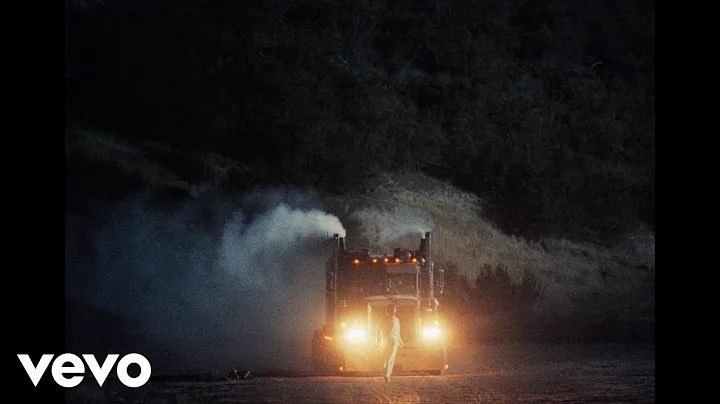
The label strategy here is minimal. There's no major label push, no radio campaign, no expensive music video. The "All White" video is a single-camera shoot in a parking lot, with MAF Teeski and his crew showing off their outfits. It costs maybe a few hundred dollars to produce, but the authenticity is palpable. This is a direct-to-fan approach that bypasses traditional gatekeepers. The business model is simple: build a loyal fanbase on YouTube and TikTok, then monetize through merchandise, show tickets, and streaming royalties.
Streaming numbers for drill rap are heavily concentrated on playlists like "Rap Caviar" and "Get Turnt" on Spotify, but independent artists rarely get placed there without a label connection. Instead, MAF Teeski relies on algorithmic discovery—Spotify's "Radio" feature and YouTube's suggested videos. The key metric is not total streams but engagement rate: comments, shares, saves. "All White" performs well on these metrics because it's short, repetitive, and easy to remember, all factors that drive repeat listens and user-generated content.
Cultural Impact
Drill rap has evolved from a Chicago subgenre to a global phenomenon, and "All White" is a perfect example of its current form. The aesthetic is hyper-local but universally relatable: the obsession with designer brands, the performative toughness, the celebration of material success. This track fits into a broader trend of "luxury drill" that includes artists like Ice Spice and Pop Smoke, but with a rawer, less commercial edge.
On TikTok, "All White" has spawned a challenge where users show off their own all-white outfits, often set to the hook. The hashtag #AllWhiteChallenge has millions of views, and the track's simple beat makes it ideal for lip-syncing and dance videos. This user-generated content loop is the engine of modern music promotion, and MAF Teeski's team has leaned into it hard, posting reaction videos and shout-outs to fans who participate.
Critically, "All White" has been praised for its authenticity and damned for its simplicity. Some call it genius minimalism; others call it lazy. But the debate itself is a sign of cultural impact. The track has become a touchstone in conversations about drill's evolution, the role of melody in rap, and the aesthetics of street fashion. It's also sparked discussion about the line between homage and biting, as some listeners note similarities to earlier UK drill tracks. Whether you love it or hate it, "All White" demands a reaction.
For Music Creators
What can producers and artists learn from "All White"? First, simplicity is a superpower. You don't need complex chord progressions or virtuosic performances to make a hit. Focus on one strong idea—a visual, a phrase, a feeling—and build everything around it. The hook should be repeatable, quotable, and memorable within the first five seconds. If a listener can't remember the hook after one listen, you've lost them.
Production-wise, study the mix. Notice how the bass and kick are locked together, creating a single rhythmic pulse. Use sidechain compression to create space for your vocal. Keep your reverb dry and your delays short. If you're working with a limited setup—a laptop, a microphone, and a few plugins—embrace the limitations. Lo-fi is not a bug; it's a feature. The grit and distortion in "All White" are what give it character.
For songwriting, practice writing to a single prompt. "All White" is built around a color. What's your color? What's your location? What's your mood? Limiting your lyrical scope forces creativity within constraints. Write 16 bars that all relate to one central image, then repeat the best line as your hook. This is the opposite of the sprawling, multi-verse approach; it's laser-focused and efficient.
Career strategy: go independent. Use YouTube as your primary platform, posting both the official video and Shorts clips. Engage with every comment. Build a community before you seek a label. When you release a track, pitch it to playlist curators on SubmitHub or directly via Instagram DMs. Track your analytics obsessively—which videos get the most retention, which hooks get the most shares. Let data guide your next move.
Verdict
Is "All White" a significant track? In the grand scheme of music history, probably not. It's a moment, not a movement. But for creators, it's a masterclass in how to make an impact with limited resources. MAF Teeski has proven that you don't need a label budget or a hitmaker producer to break through. You need a clear vision, a memorable hook, and a willingness to engage your audience on their terms.
Will this track last? Probably not beyond the current drill wave, but that's fine. Its purpose is to build momentum for MAF Teeski's next release, to grow his audience, to establish his brand. In that sense, it's already a success. Who should listen? Anyone who wants to understand how the music industry works in 2024—not the fantasy of major label deals and radio play, but the reality of bedroom producers, TikTok challenges, and direct fan relationships. "All White" is a snapshot of that reality, and it's worth studying.