The Project
You walk into your room, and something feels off. The walls are bare, the shelves are cluttered with mismatched odds and ends, and the whole space screams "temporary" rather than "mine." You don't have a big budget, and you're not exactly a master carpenter. But you want that cozy, aesthetic, Instagram-worthy vibe that makes your room feel like a sanctuary. That's exactly where the "easy and cute DIY room decor" trend comes in—it's about transforming your space with simple, low-cost projects that pack a huge visual punch. The best part? You can knock out most of these in an afternoon with materials from the dollar store or your local craft shop.
Why is this topic blowing up right now? Think about it: we're spending more time than ever at home, and people are hungry for ways to personalize their environment without breaking the bank. The pandemic supercharged the home decor DIY space, but the trend has evolved. It's no longer about massive furniture builds; it's about small, cute, and highly shareable projects—like a pom-pom garland, a painted mirror frame, or a simple shelf made from a repurposed crate. These projects are perfect for YouTube because they're visually satisfying, fast to film, and easy for viewers to replicate. The "cute" factor makes them highly clickable, especially among Gen Z and millennial audiences who love cottagecore, minimalist, or kawaii aesthetics.
What You'll Need
To create a viral DIY room decor video, you don't need a workshop full of power tools. But you do need a few key items that make the process smooth and the results professional. Here's the starter kit I recommend for any creator diving into this niche:
**Materials:**
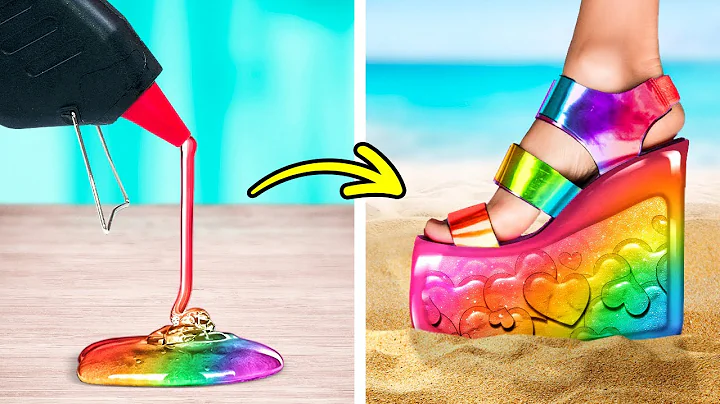
- **Hot glue gun and glue sticks** – A low-temp gun is safer for beginners and works on most surfaces. I prefer the AdTech Mini Hot Glue Gun ($10) for precision work.
- **Craft paints** – Acrylic paints in pastel or bright colors. Look for brands like FolkArt or Apple Barrel ($1 each). For a smooth finish, use a foam brush.
- **Paint pens** – These are a game-changer for adding fine details. Posca paint pens ($3-5 each) are the gold standard for writing on glass, plastic, or wood.
- **Command Strips** – For hanging lightweight decor without damaging walls. The medium strips hold up to 4 pounds.
- **Scissors, ruler, cutting mat** – Basic but essential.
- **Decorative items** – Faux flowers, ribbons, beads, pom-poms, wooden letters, picture frames, and any thrifted treasures.
- **Optional but powerful**: A Cricut or Silhouette cutting machine for custom vinyl decals or paper cutouts. If you don't have one, you can buy pre-cut vinyl on Etsy.
**Budget breakdown:**
- Basic starter kit (glue gun, paints, brushes, scissors): $20
- Decorative supplies per project: $5-15
- Cricut machine (if you invest): $200-400
- Total for a single video project: $25-50, most of which is reusable.
Step-by-Step
Let's walk through one of the most popular projects in this trend: a custom "cute quote" wall art piece using a canvas and paint pens. This is a classic that always gets views because it's simple, fast, and the result is frame-worthy.
**Step 1: Choose your canvas.** Go to a dollar store and grab a 12x12 inch stretched canvas ($1-2). If you want a cleaner look, paint the entire canvas with a solid color using acrylic paint and a foam roller. Let it dry for 30 minutes.
**Step 2: Plan your design.** Lightly sketch your quote or design with a pencil. Keep it simple: "Good Vibes Only" or a single word like "Dream" with a cute flower next to it. Here's the trick most pros won't tell you: use a ruler and a level to make sure your text is straight. Even a slight tilt will drive you crazy later.
**Step 3: Trace with paint pens.** Shake your Posca pen well, press the tip to get the paint flowing, and carefully trace over your pencil lines. Go slow—it's easier to add more paint than to remove a mistake. If you mess up, let the paint dry completely, then paint over it with the background color and start again.
**Step 4: Add embellishments.** Glue on some dried flowers, a wooden heart, or a tassel to the corner. Use the hot glue gun sparingly—a small dot is plenty. Press firmly for 10 seconds.
**Step 5: Hang it up.** Use a Command Strip on the back of the canvas. Stick it to the wall, and you're done. Total time: about 45 minutes.
For a more advanced project, try a "floating shelf" made from an old wooden crate. Sand it down, paint it, and mount it with L-brackets. That project takes about 2 hours and can hold books or small plants.
Safety First
Before you start gluing and painting, let's talk safety. Hot glue guns can cause serious burns—especially the high-temp ones. Always use a low-temp gun for small projects, and keep a bowl of cold water nearby in case you get a drip on your skin. Never leave a plugged-in glue gun unattended, and unplug it immediately after use.
If you're using spray paint (for furniture or large items), work in a well-ventilated area or outdoors. Wear a respirator mask—not just a cloth mask—to avoid inhaling fumes. And please, do not spray paint near an open flame or heat source.
For wall-mounted items, always use the right hardware. Command Strips are great for lightweight decor (under 5 pounds), but for anything heavier, use a stud finder and drywall anchors. A falling shelf can damage your wall or, worse, injure someone. If you're not sure about the weight, err on the side of caution and use a screw.
Troubleshooting
Even with the best planning, things can go sideways. Here are the most common issues and how to fix them:
**Glue strings everywhere.** This happens when you pull the glue gun away too quickly. Solution: move the gun in a slow, steady motion, and when you're done, twist the gun slightly to break the glue strand cleanly. If you get strings, let them cool and peel them off with your fingers.
**Paint pens are skipping or not flowing.** The tip might be dried out. Dip the tip in a tiny bit of water (for water-based pens) or give it a good shake. If that doesn't work, you may need a new pen. Always test on scrap paper first.
**Your canvas looks crooked on the wall.** Use a level during installation. If it's already up, gently slide it until it's straight. Command Strips allow for some adjustment.
**The paint color is too light or too dark.** Mix your own shades! Add a drop of white to lighten, a drop of black to darken. Test on a corner of the canvas before committing.
**Your hot glue doesn't stick to a surface.** Some materials (like glass or metal) need a rough surface. Lightly sand the area with fine-grit sandpaper, then clean it with rubbing alcohol before gluing.
The Result
When you step back and look at your finished piece—a custom canvas with your favorite quote, or a cute shelf holding a tiny succulent—the feeling is pure satisfaction. Your room now has a personal touch that no store-bought decor can replicate. And for YouTube creators, that's the magic: you've created something shareable, relatable, and inspiring.
Honestly, the best part is the process. These projects are forgiving, fast, and fun. I've made dozens of these over the years, and I always learn something new—like how a simple pom-pom garland can completely transform a corner, or how a coat of pastel paint can make an old frame look brand new. If I were to do one thing differently, I'd invest in a good set of paint pens earlier. They're worth every penny.
So grab your glue gun, pick a project, and start filming. Your viewers are waiting for that dose of cozy inspiration.