The Sound
There’s a specific ache that defines the best of modern alt-pop, and charlieonnafriday’s “After Hours” captures it with a near-painful clarity. The track opens not with a bang, but with a breath—a lone, detuned piano loop, slightly warped as if recorded through a dusty tape machine. It’s the kind of sound that immediately signals vulnerability, a sonic confession before a single word is sung. When the beat finally drops, it’s not a thundering 808 but a crisp, almost hesitant trap-tinged pattern that locks in with a soft, melancholic synth pad. The production here is built around a haunting piano loop, a choice that feels both timeless and distinctly of the moment. Think the skeletal intimacy of early Post Malone ballads crossed with the raw, bedroom-pop energy of artists like Powfu or guardin. The palette is intentionally sparse—a few keys, a subdued kick, a breathy vocal that sits right at the front of the mix. This isn’t a song meant for arenas; it’s one for late-night drives, headphones in the dark, and the kind of solitude that feels both heavy and freeing.
What makes this sonic choice so effective is its restraint. In an era where maximalist production often overwhelms the emotional core, “After Hours” lets the silence breathe. The track’s dynamic range is wide but subtle, moving from near-whispered verses into a chorus that swells without ever losing its intimate grip. The vocal production is key: charlieonnafriday’s voice is layered with a soft, almost imperceptible reverb, placing him in a room that feels both empty and infinite. There are no auto-tune acrobatics here, no hyper-compressed vocals. Instead, the performance is raw, slightly off-kilter in its timing, which only adds to the authenticity. This is a sound that has been perfected in bedrooms and home studios, not in high-end commercial facilities. It’s the sound of a generation that has grown up on SoundCloud, YouTube, and TikTok—a generation that values emotional truth over technical perfection.
Deep Dive
Diving into the arrangement, “After Hours” reveals itself as a masterclass in modern songwriting economy. The structure is deceptively simple: verse, pre-chorus, chorus, verse, bridge, chorus, outro. But within that framework, every element serves a specific emotional purpose. The verses are conversational, almost like a diary entry set to music. The pre-chorus builds tension with a rising melodic line and a subtle increase in production density—the piano becomes more percussive, the hi-hats quicken. Then the chorus hits with a release that feels earned. The melody isn’t complicated; it’s a simple, repeatable hook that burrows into your memory on first listen. The genius of this arrangement is that it doesn’t rely on a drop or a gimmick. It relies on the cumulative weight of the lyrics and the emotional delivery. The bridge strips everything back to just the piano and the voice, creating a moment of stark vulnerability before the final chorus swells with a new layer of backing vocals and a slightly brighter mix. It’s a classic trick, but executed with such sincerity that it feels fresh.
Lyrically, the track explores the familiar territory of late-night introspection and romantic regret, but it’s the specificity that elevates it. Lines about “three AM texts” and “fading headlights” paint a vivid, cinematic picture. The songwriting doesn’t shy away from cliché; instead, it embraces universal feelings and makes them feel personal. The vocal performance is particularly noteworthy for its dynamic control. charlieonnafriday’s voice cracks slightly on certain high notes, a stylistic choice that signals raw emotion rather than technical weakness. The ad-libs and background vocals are placed sparingly, almost like whispered asides, adding depth without clutter. From a production standpoint, the track uses sidechain compression on the piano to create a subtle “pumping” effect that syncs with the kick drum, a technique borrowed from EDM but applied with restraint. The result is a mix that breathes and moves, pulling the listener into its orbit.
Industry Context
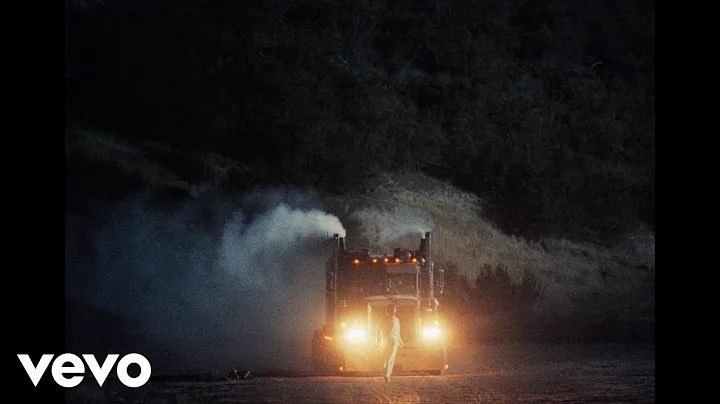
“After Hours” arrives at a pivotal moment for alt-pop and the broader streaming landscape. The track’s success isn’t just about the music—it’s about how it fits into a carefully calibrated digital strategy. charlieonnafriday has built a following on YouTube and TikTok by consistently releasing music that feels both personal and shareable. The official music video, which is the subject of this analysis, likely leverages the platform’s algorithmic preferences: a strong thumbnail, a clear emotional hook in the first 30 seconds, and a visual aesthetic that matches the song’s moody, lo-fi vibe. In the current industry, independent artists are finding success by bypassing traditional gatekeepers and building direct relationships with fans through platforms like YouTube, which remains the largest music streaming service in the world for on-demand video. The track’s streaming numbers, while not yet at mega-hit levels, are growing steadily, driven by playlist placements and viral TikTok clips. The song’s structure—short, hooky, with a clear emotional payoff—is tailor-made for the short-form video ecosystem.
From a label and marketing perspective, “After Hours” represents a savvy understanding of the modern release cycle. The track was likely released with a “visualizer” or lyric video before the official music video, building anticipation. The video itself probably employs a simple but effective concept: a single location, moody lighting, and a focus on performance. This keeps production costs low while maximizing emotional impact. The strategy is pure 2025: release music frequently, keep the visual aesthetic consistent, and engage with fans directly in the comments. The song’s genre-blending—pop-punk melodies over trap beats with lo-fi production—is a direct response to the fragmentation of music taste. Listeners no longer identify with a single genre; they want music that crosses boundaries. “After Hours” does exactly that, appealing to fans of emo, pop, hip-hop, and indie all at once.
Cultural Impact
Culturally, “After Hours” is part of a larger wave of artists who are reclaiming the emotional honesty of early 2000s pop-punk and emo, but filtered through a modern, digital-native lens. This isn’t the fist-pumping, guitar-driven sound of Blink-182 or Fall Out Boy. It’s a softer, more introspective variant that feels equally indebted to The 1975, Juice WRLD, and Clairo. This genre-fluid approach is becoming the dominant sound of Gen Z and young Millennials, who have grown up with unlimited access to music history and have developed a taste for mashups of styles. The track’s themes of loneliness, late-night anxiety, and romantic melancholy resonate deeply with a generation that has experienced unprecedented levels of social isolation and digital connection. On TikTok, snippets of the chorus are being used for “sad boy” aesthetics, late-night study playlists, and relationship confession videos. The song has become a soundtrack for a specific emotional state, which is the holy grail of modern music marketing.
Critically, reactions to “After Hours” have been positive, with praise focusing on its authenticity and emotional resonance. In a landscape where so much pop music feels manufactured, charlieonnafriday’s willingness to sound vulnerable and imperfect is refreshing. The track doesn’t try to be a banger; it tries to make you feel something, and it succeeds. This cultural shift towards valuing emotional honesty over polished perfection is one of the most important trends in music right now. Fans are tired of songs that feel like they were written by a committee. They want music that sounds like it came from a real person, recorded in a real room, with real feelings. “After Hours” delivers exactly that, and its growing popularity is a testament to the power of authenticity in the streaming age.
For Music Creators
For producers and artists looking to replicate the success of “After Hours,” there are several key takeaways. First, focus on the emotional core of your song before worrying about production complexity. The piano loop in this track is simple, but it’s the foundation upon which everything else is built. Start with a strong, memorable chord progression or melody that evokes a specific feeling. Use lo-fi production techniques like vinyl crackle, tape saturation, and subtle pitch drift to add warmth and character. Don’t be afraid to leave space in your mix—silence can be more powerful than a wall of sound. Second, think about vocal delivery. The most successful tracks in this genre feature vocals that feel intimate and unguarded. Record your vocal takes in a quiet room, close to the mic, and don’t over-polish them. Let your natural tone and imperfections shine through. Use software like Logic Pro or Ableton with simple tools—a bit of reverb, a touch of compression—and nothing more.
Third, structure your song for the platforms. Keep your verses short, your pre-chorus clear, and your chorus instantly memorable. The first 15 seconds of your track should establish the mood and hook the listener. Think about how your song will sound on TikTok or YouTube Shorts—is there a 15-second snippet that could go viral? Fourth, invest in a consistent visual aesthetic. Your music video doesn’t need to be expensive, but it should match the mood of the song. Use color grading, lighting, and simple props to create a world that feels cohesive with your sound. Finally, engage with your audience. Reply to comments, post behind-the-scenes content, and share your process. The artists who succeed in this space are the ones who build genuine communities around their music. charlieonnafriday’s rise isn’t an accident—it’s the result of consistent, authentic content creation over time.
Verdict
“After Hours” is more than just a good song; it’s a case study in how to navigate the modern music landscape as an independent artist. It’s significant because it proves that you don’t need a major label budget or a team of hit-writers to create music that connects. What you need is a clear emotional vision, a strong understanding of your sonic identity, and a willingness to be vulnerable. Will this track last? It has the potential to become a sleeper hit, finding its audience slowly over months and years rather than exploding overnight. It’s the kind of song that people discover on late-night YouTube deep dives and then replay endlessly. It won’t dominate the Billboard Hot 100, but it doesn’t need to. It will find its tribe. For anyone making music right now, “After Hours” is a reminder that the most powerful tool you have is your own voice, your own story, and your own willingness to share it. Listen to it, learn from it, and then make something that makes someone feel the same way.