The Sound
There's a certain grit in the air when Billy Idol and Alison Mosshart lock into a groove. 'John Wayne' isn't just a track; it's a sonic punch to the gut, a reminder that punk rock's raw nerve can still vibrate through modern speakers. The production here is built around a relentless, almost mechanical bassline that drives the song forward like a freight train with no brakes. Distorted guitars slather the mix in a layer of controlled chaos, never overwhelming but always present, like a storm cloud on the horizon. The drums are tight, snappy, and mixed with a punchy reverb that echoes the 80s but feels crisp and modern.
Alison Mosshart's voice enters as a perfect foil to Idol's iconic sneer. Where Idol is all swagger and menace, Mosshart brings a feral energy, a growl that feels both dangerous and seductive. The call-and-response structure of the verses creates a dynamic tension that keeps the listener on edge. The chorus explodes with a simple, anthemic hook—"John Wayne"—repeated with a kind of cynical reverence. There's no overproduction here; the track breathes, it sweats, it feels live even through the pristine digital recording. The use of analog synths in the bridge adds a layer of eerie atmosphere, a brief respite before the final assault of distorted guitars. This is punk rock filtered through decades of genre evolution, a sound that acknowledges its roots while refusing to be a museum piece.
Deep Dive
The genius of this arrangement lies in its economy. Every element serves a purpose, and nothing is wasted. The songwriting is deceptively simple: a verse-chorus structure that feels familiar but is injected with enough tension to keep it from being predictable. The verses are built on a two-chord riff that oscillates between tension and release, creating a hypnotic quality. The pre-chorus introduces a melodic lift, a slight harmonic shift that signals the impending explosion of the chorus. The chorus itself is a masterclass in repetition—the title phrase is hammered home with a rhythmic insistence that makes it instantly memorable.
Production-wise, the track is a study in contrast. The bass and drums are locked in a tight, rhythmic pocket, providing a solid foundation for the guitars to roam. The vocal production is particularly noteworthy: Idol's vocals are treated with a slight slapback delay, giving them a sense of space and urgency, while Mosshart's are more upfront, almost dry, emphasizing the raw power of her delivery. The mix uses sidechain compression subtly, allowing the kick drum to punch through without sacrificing the wall of sound. The bridge features a breakdown where the instrumentation drops to a sparse, synth-led passage, creating a moment of breath before the final, explosive chorus. This dynamic shift is crucial—it prevents the track from becoming monotonous and gives the listener a moment to recalibrate before the final assault.
Industry Context
'John Wayne' arrives at a fascinating moment in the music industry. Nostalgia is a powerful currency, and the current landscape is saturated with revivals of 80s and 90s aesthetics. Billy Idol, a veteran of the punk and new wave scenes, is leveraging his legacy while collaborating with a contemporary artist like Alison Mosshart (of The Kills and The Dead Weather) to bridge generational gaps. This isn't just a cash grab; it's a strategic move to tap into the 'punk revival' trend that has been bubbling in the underground for years, now breaking into the mainstream via platforms like TikTok and YouTube.
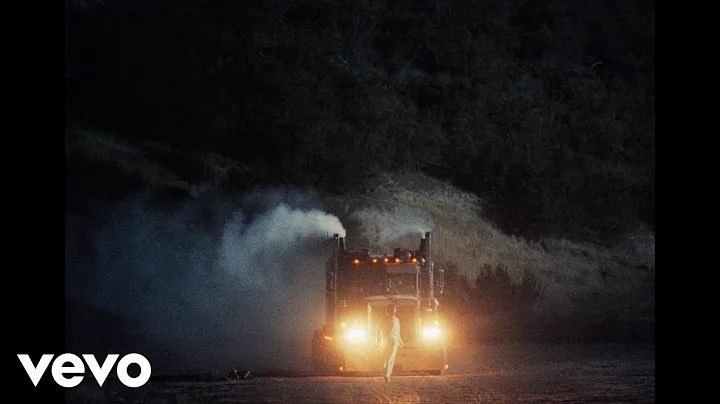
Streaming numbers for this track will likely be strong, driven by both nostalgia and the 'cool factor' of the collaboration. The official music video, with its cinematic, almost film-noir aesthetic, is designed for high engagement on YouTube. The label's strategy seems to be focused on building a narrative around the song—a commentary on American iconography and masculinity, as hinted by the title. This kind of thematic depth resonates with audiences looking for more than just a catchy tune. The track is also positioned well for playlist inclusion on platforms like Spotify, where 'Rock Revival' and 'Punk Essentials' playlists are gaining traction. The collaboration itself is a powerful marketing tool: it cross-pollinates the fanbases of both artists, exposing Idol to a younger audience and giving Mosshart a chance to work with a legend.
Cultural Impact
This track is more than just a song; it's a cultural artifact that speaks to our current moment. The title 'John Wayne' is loaded with meaning—it evokes the myth of the American cowboy, a symbol of rugged individualism and outdated masculinity. By using this icon, Idol and Mosshart are engaging in a conversation about identity, rebellion, and the American mythos. This kind of thematic depth is rare in mainstream rock, and it positions the track as something to be dissected and discussed, not just consumed.
The punk rock revival is not just a musical trend; it's a cultural response to the sanitized, algorithm-driven pop that dominates the charts. There's a hunger for authenticity, for grit, for music that feels dangerous and alive. 'John Wayne' feeds that hunger. It's being embraced by both older fans who remember the 80s punk scene and younger listeners who are discovering it through TikTok edits and YouTube recommendations. The music video, with its gritty, noir-inspired visuals, is already spawning fan edits and reaction videos. This track is a perfect example of how legacy artists can stay relevant by embracing their roots while collaborating with the new guard.
For Music Creators
What can producers and artists learn from this? First, the power of collaboration. A well-matched collaboration can introduce your music to an entirely new audience. Think about how your sound could mesh with another artist's, and don't be afraid to reach out. Second, the importance of sonic identity. 'John Wayne' doesn't try to sound like everything else on the radio; it doubles down on a specific aesthetic—punk rock with modern production. Find your sonic fingerprint and polish it until it shines.
Production-wise, take note of the use of contrast. The mix balances raw, distorted elements with clean, tight rhythms. Use sidechain compression to let your drums punch through, but don't overdo it. Experiment with analog synths or emulations to add texture and depth. The vocal treatment is also crucial: a slapback delay can add a sense of space without muddying the mix. Finally, think about the narrative. A great song tells a story or makes a statement. 'John Wayne' is about more than just a name; it's a commentary on culture. Your music should have something to say, even if it's just a feeling.
Verdict
'John Wayne' is a significant release that proves punk rock is far from dead. It's a well-crafted, sonically compelling track that bridges generations and speaks to our cultural moment. While it may not redefine the genre, it serves as a powerful reminder of what rock music can be when it's unafraid to be raw, political, and collaborative. This track will likely have a lasting impact, especially among fans of alternative rock and punk. It's a must-listen for anyone who believes that music should have grit, attitude, and a point of view. Billy Idol and Alison Mosshart have delivered a track that is both a tribute and a challenge—a call to arms for a new generation of rockers.